If you are in Blantyre, especially Blantyre city then you must take HIV services seriously, HIV remains a burden in Blantyre, we are among the top-list districts registering high cases of HIV. Our city’s prevalence rate stands at 14 percent, and we need not relent in our efforts. That’s the sound warning from the Director of Health Services-Blantyre District, Dr. Gift Kawalazira.
Dr. Kawalazira spoke this on Saturday14th March 2026 at the Malawi University of Business Applied Sciences, when Malawi joined the International Community in commemorating the Condom Day. Globally, the International Condom Day is commemorated on February 13th under the theme “Safer is Sexy”.
Addressing the gathering, Dr. Kawalazira expressed concern that Blantyre continues to register new HIV infections despite several interventions the district has been implementing for the past years.
Blantyre is still among the top list districts with high HIV burden, and this is a worrisome situation, please let’s take HIV services that are available seriously, lets condomize and make use of other HIV preventive options such as Oral and injectable PrEP”, pleaded Dr. Kawalazira
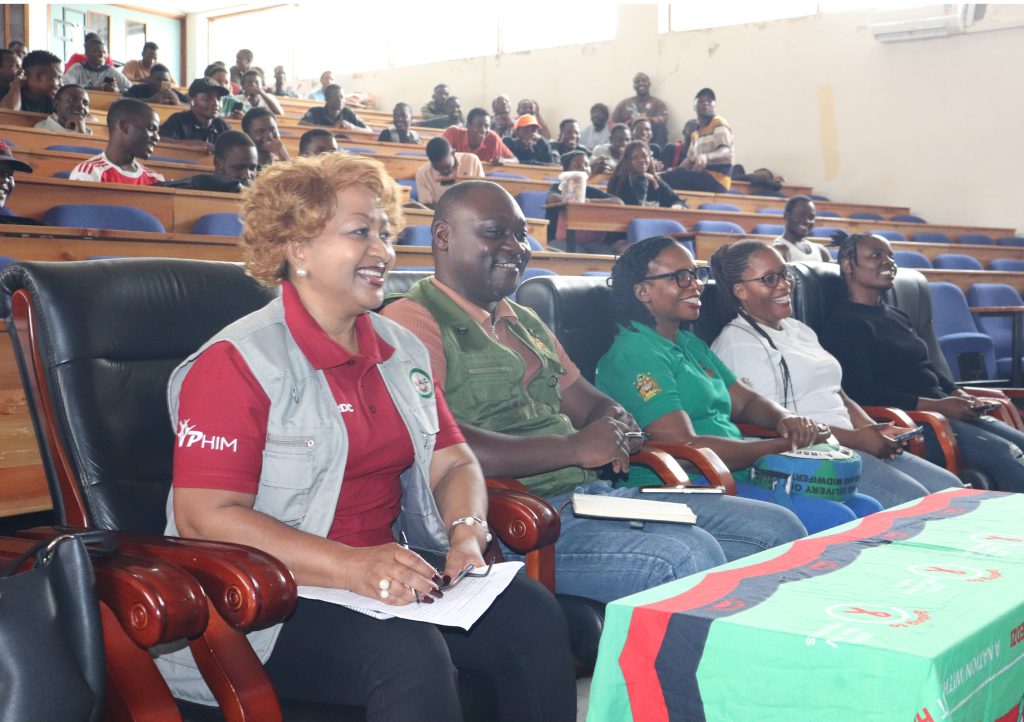
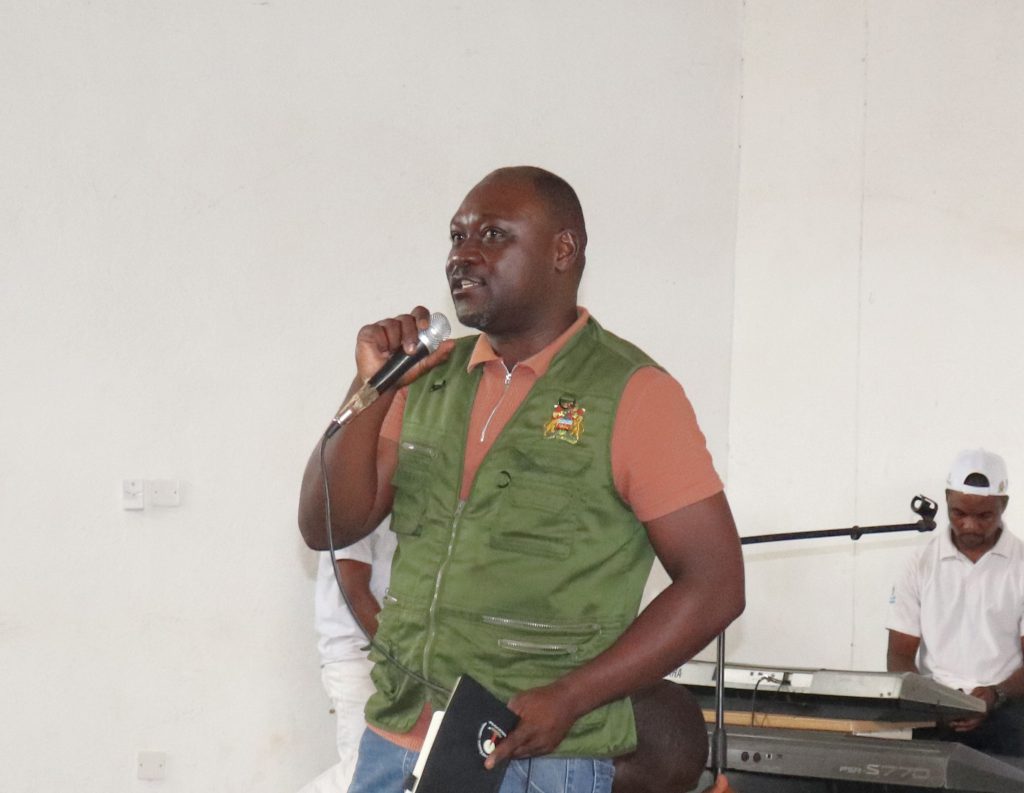
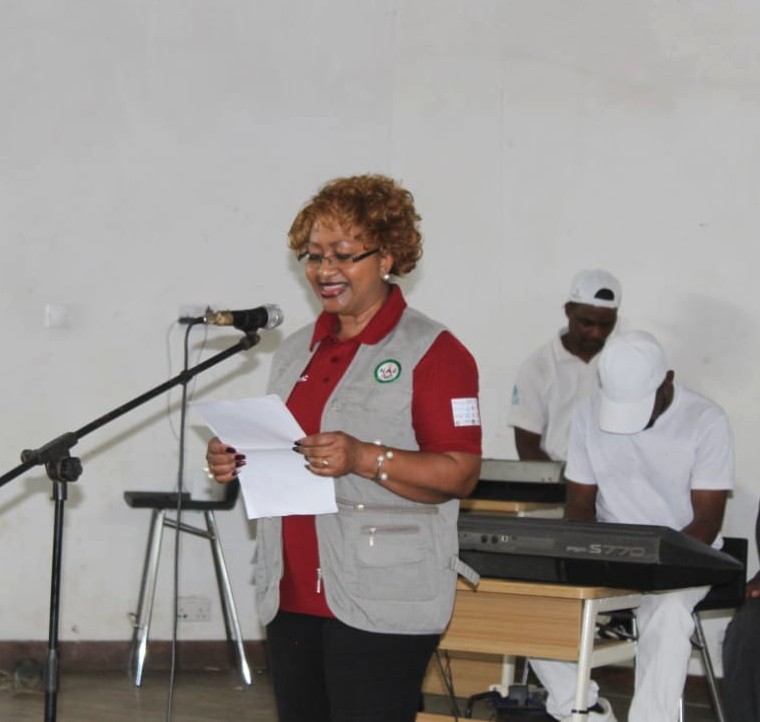
Taking her turn, National AIDS Commission Acting Director of Programs Dr. Andrina Mwansambo said that the International Condom Day commemoration was not just about marking a date on the calendar, rather it was about celebrating smart choices, healthy relationships, a life free of the pressure of unintended or unwanted pregnancies and STIs, and a future free from HIV. “There’s no better place to have this conversation than here and with you, our young intellectuals, because you are the leaders, innovators, and decision-makers of both today and tomorrow. Days like today give us the opportunity to talk openly about sexual health, challenge myths, and empower young people with the knowledge and tools they need to stay safe”, stated Dr. Mwansambo.
Dr. Mwansambo who is also NAC’S Head of HIV Prevention, expounded that condoms remain one of the simplest, most effective, and most accessible tool for people to use to protect themselves and their partners.
Condoms are a powerful prevention option. When used correctly and consistently, they provide dual protection—preventing HIV and other sexually transmitted infections while also preventing unintended pregnancies”, added Dr. Mwansambo
Alongside other prevention options promoted by partners , Dr. Mwansambo stated that condoms remain a cornerstone of Malawi’s HIV prevention strategy because they are affordable, accessible, and effective.
She highlighted that the recent Malawi Demographic and Health Survey has demonstrated that condom use among young people has been sustained at 63.3%, as compared to use in the older populations, which has dropped.
In addition, the MDHS also reveals that young people are more willing than adults to pay for a condom, with 66.15% of young people aged 15-24 using either chishango or manyuchi over public condoms, which she said is a commendable move to sustain HIV services amid reducing funding. “This demonstrates your smartness and builds our hope for an HIV-free Malawi. Inuyo ndinu madolo! Keep up condomizing and keep staying safe!” applauded Dr. Mwansambo.
Commenting on the theme: “Safer is Sexy”, NAC’s Acting Director of Programs, said it is more relevant for young people, saying for a long time, conversations about protection were surrounded by stigma or embarrassment, but she said taking responsibility for one’s health and the partner’s health is attractive, confident, and empowering.
Being informed, being prepared, and making safer choices is not something to hide; it is something to be proud of. Safer is not just smart… safer is sexy. Kuziteteza ndi Udolo!” concluded Dr. Mwansambo
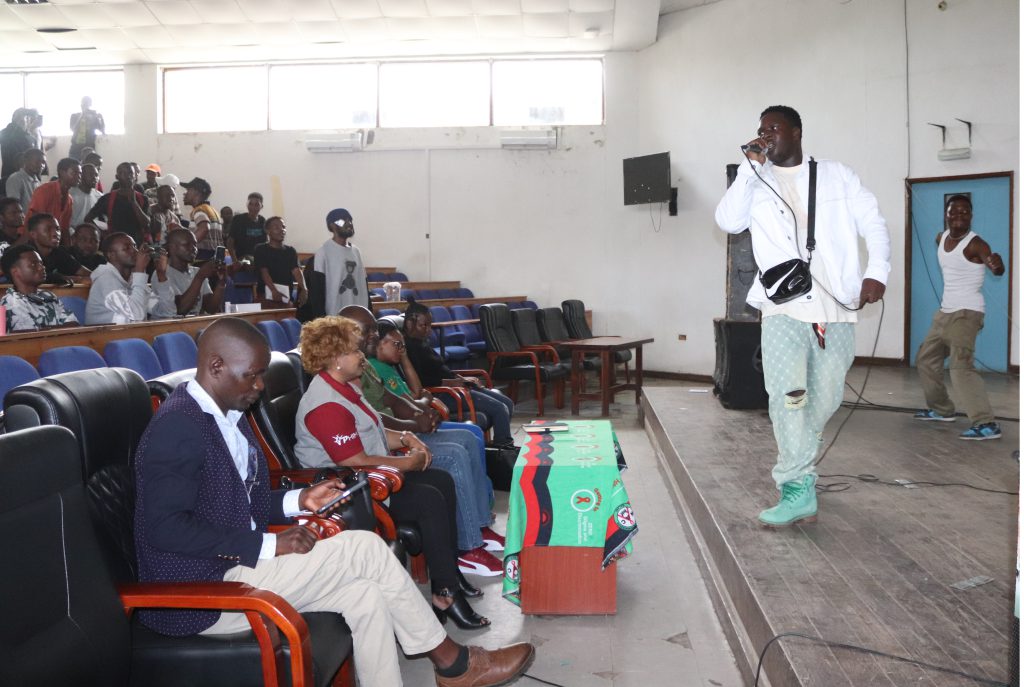
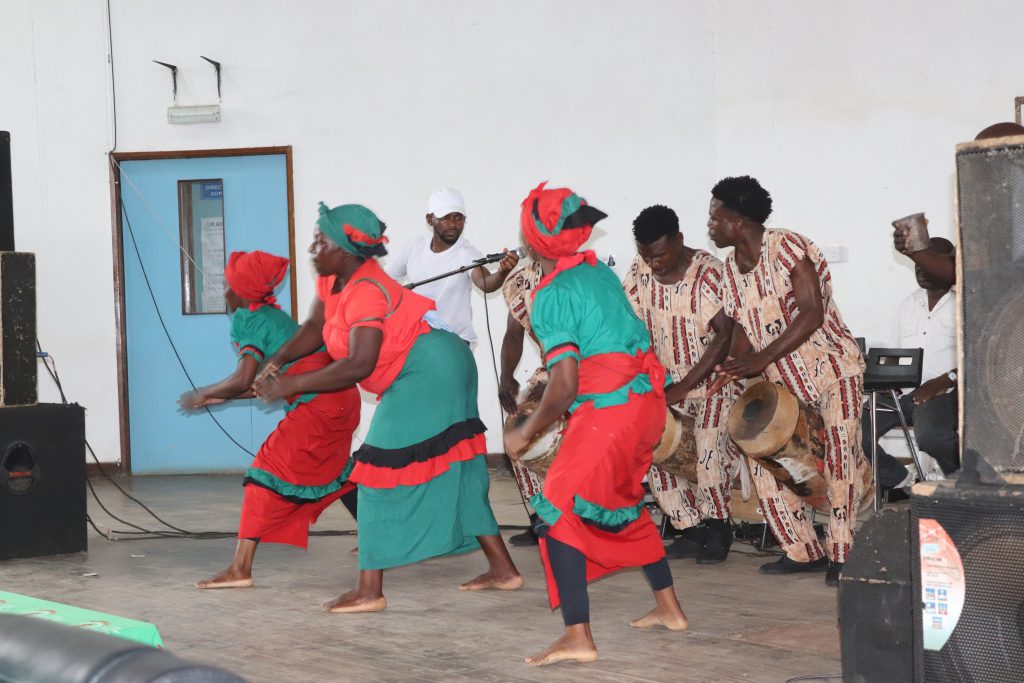
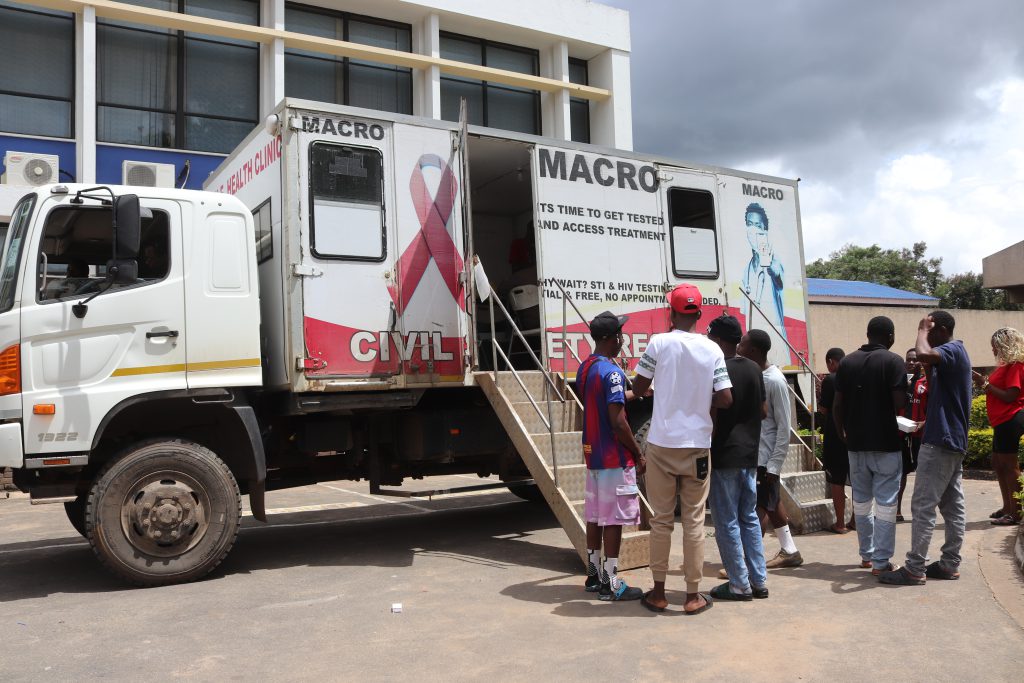
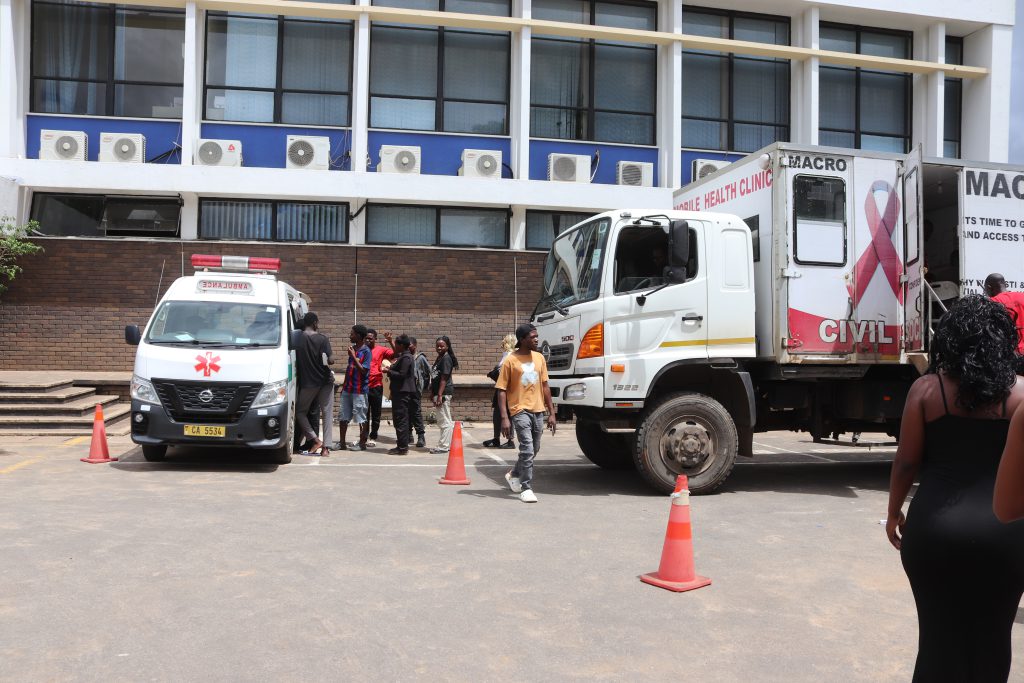
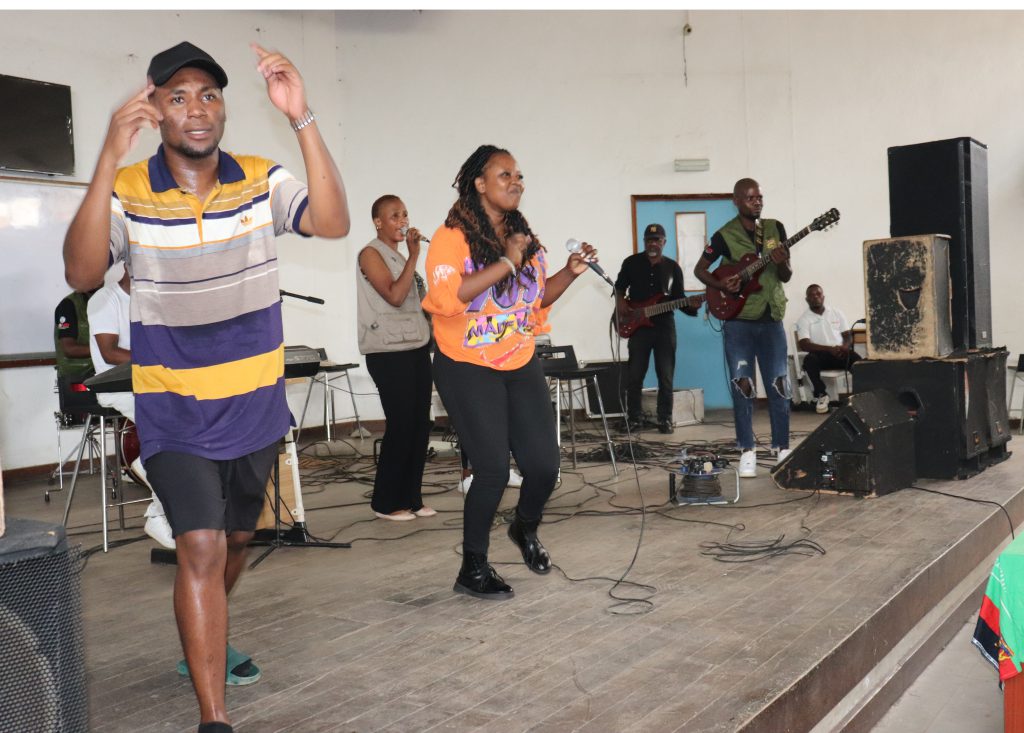
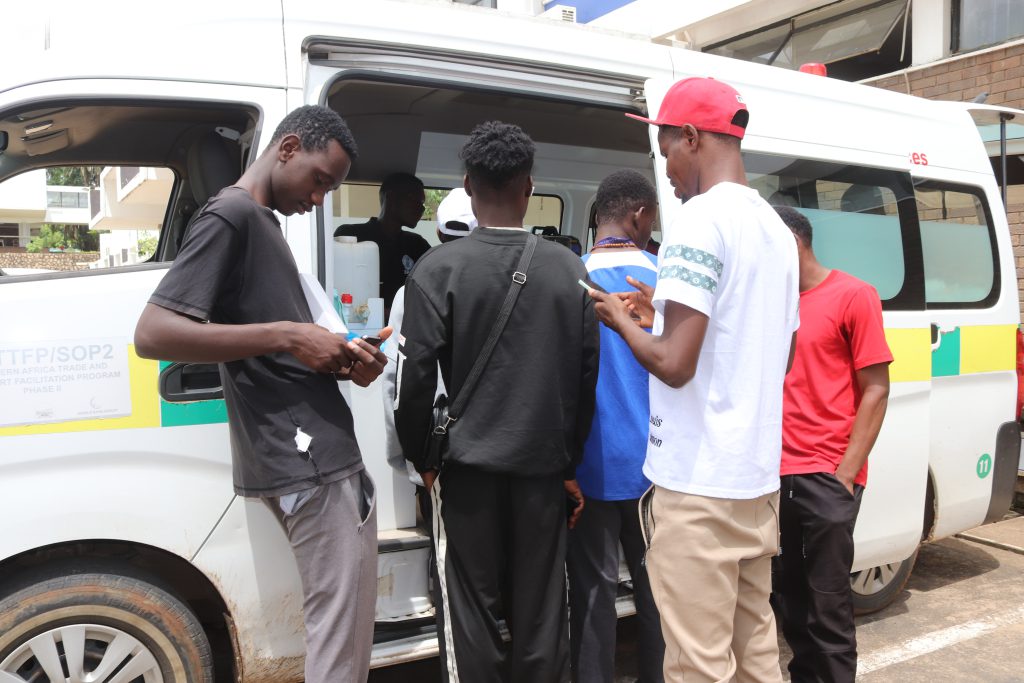
The event was spiced up by both traditional and modern dances alongside Poly choir, a grouping of MUBAS intellectuals. Besides, several HIV related services were provided such as HIV Testing and Counselling, and Condom distribution.
NAC remains fully committed to ensuring that condoms and other HIV prevention options remain available to all Malawians. In collaboration with the Ministry of Health, development partners, civil society, and the private sector, the Commission promotes a comprehensive combination prevention approach to ensure that every young person in Malawi has equitable access to tools to protect their health and their future.