
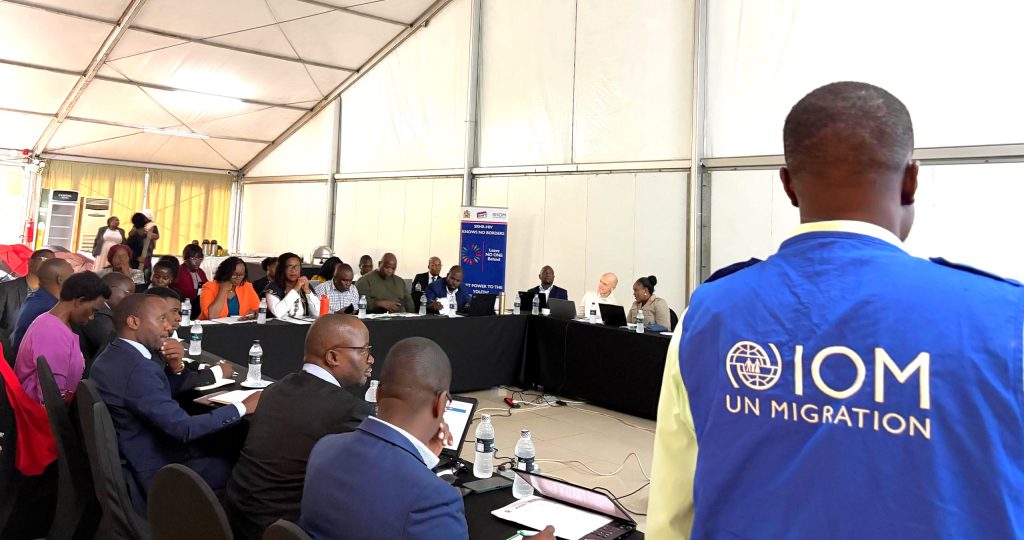
On Tuesday 17th March 2026, a high-powered delegation from key HIV response stakeholders converged at the round table technical dialogue on HIV prevention and treatment for Malawians in the Diaspora. The discussions were held at Sunbird Capital Hotel in Lilongwe and aimed to discuss how best to ensure that every citizen, no matter where they are, can access HIV prevention and treatment services.
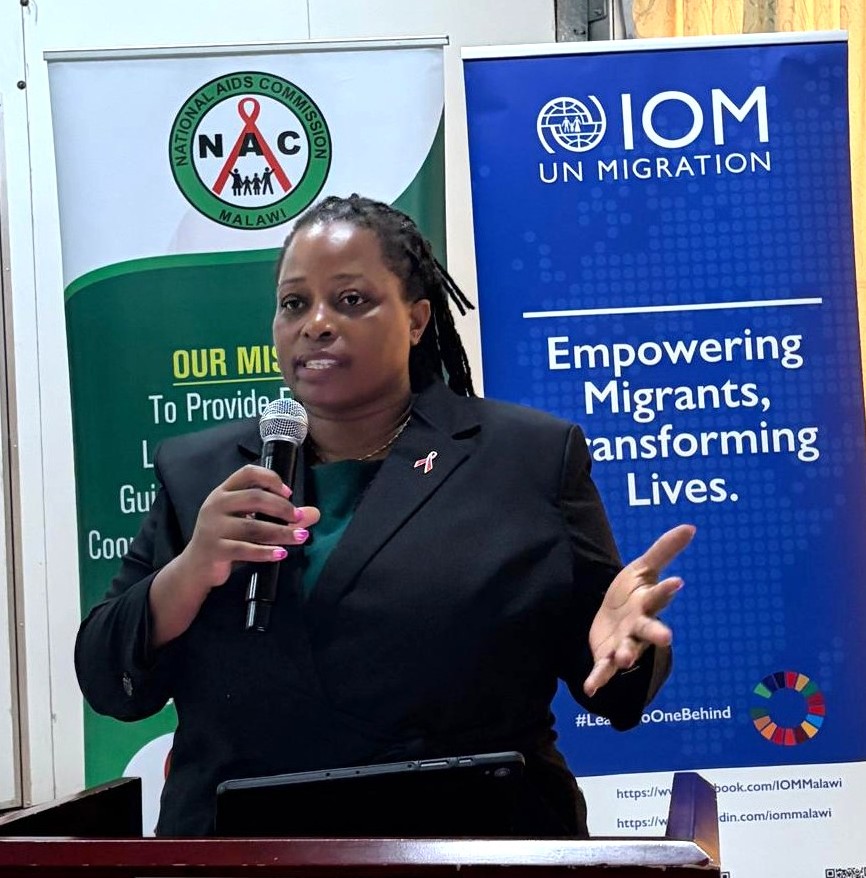
In her remarks, National AIDS Commission Chief Executive Officer Dr. Beatrice Matanje highlighted that Malawi 2063 recognizes the diaspora as a critical partner for achieving an inclusively wealthy, self-reliant, upper middle-income nation. She stated that the agenda aims to leverage diaspora investment, knowledge transfer, and philanthropy to accelerate development. “This is very crucial and NAC reaffirms that HIV is not just a health issue; it is a migration issue, a labor issue, a human rights issue, and a diplomatic issue. It speaks to our duty of care to all Malawians, wherever their pursuit of opportunity takes them”, stated Dr. Matanje. The NAC CEO, however, acknowledged that Malawians living with HIV who are crossing borders continue to face wide range of challenges including unfamiliar health systems, different drug regimens, legal precarity, and the fear of stigma. She observed that this disruption risks individual viral rebound and the development of drug resistance. She added that this threatens to reverse the very gains we have fought so hard to achieve here at home.
Mobility is a part of life, with approximately 27,000 Malawians living with HIV abroad, being outside this country should not mean a lack of access to services. A gap in treatment for a Malawian is a gap in our national response against HIV and we need to collaborate to address the gaps”, explained NAC CEO.
Taking his turn, the UNAIDS country director Dr. David Chipanta also acknowledged that mobility remains a critical dimension of Malawi’s development landscape, saying thousands of Malawians migrate within the Southern African region and beyond in search of livelihoods and opportunities. Dr. Chipanta, however, hinted that while migration can be a driver of development, it can also create barriers to accessing health services, particularly people living with HIV for whom uninterrupted HIV treatment is critical. “Today’s discussion comes at a critical moment where joint approaches and synergies are needed most to device mechanisms to protect the health and rights of migrants and diaspora communities, ensuring that no one is left behind regardless of where they live or move”, hinted Dr. Chipanta.
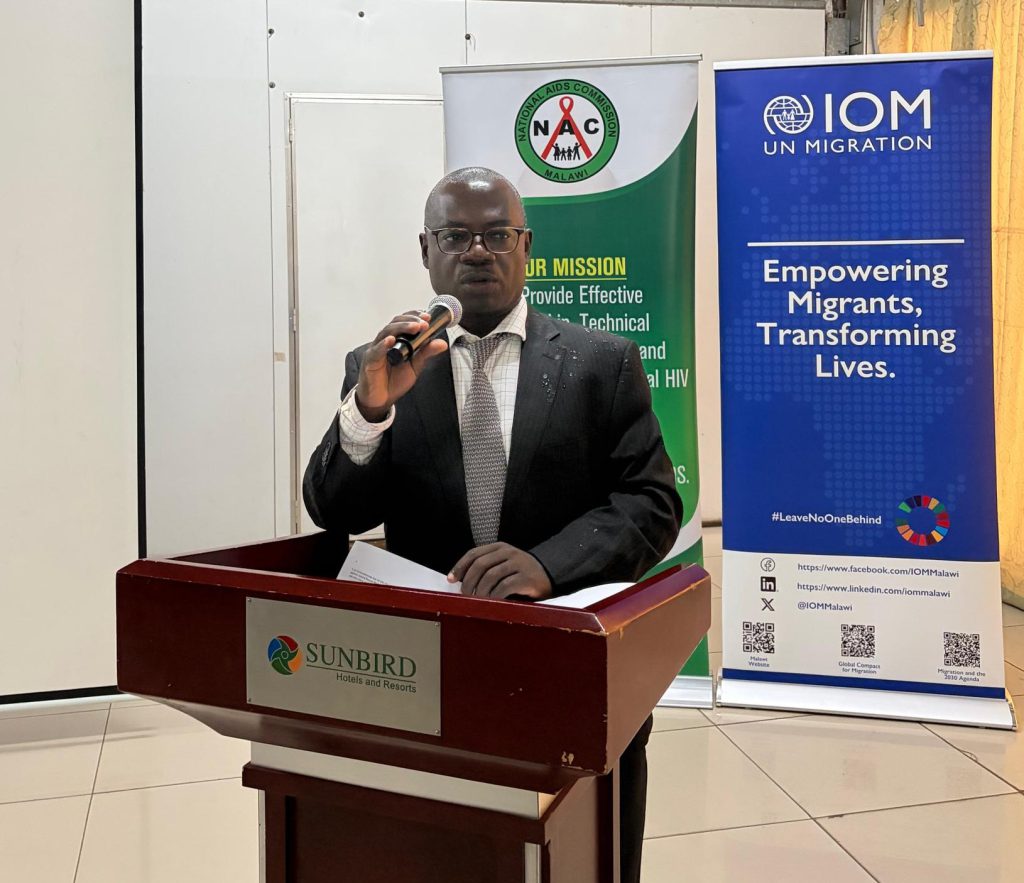
The discussion according to Dr. Chipanta was crucial to consolidate evidence, strengthen diplomatic engagement and identify practical and forward-looking solutions.
Together we have an opportunity to lay the foundation for stronger cross-border corporation and to advance the development of a Diaspora HIV Treatment Continuity Framework that ensures Malawians living abroad continue to access life-saving services.
In her presentation, Partners in Hope representative, Thokozile Banda pointed out that mobility is a frequent cause of interruption of antiretroviral therapy (ART) which she said is a setback. She therefore called for strong collaboration between countries on clients receiving ART, flexible ART models such as multi-month dispensing and guardian refills, and the provision of migrant-friendly services.
The meeting brought together officials from the National AIDS Commission, Ministry of Health, Ministry of Foreign Affairs, World Health Organization, UNAIDS, International Organization for Migration (IOM), United State Government (USG) country team, CHAI, Civil Society Organizations and implementing partners such as Partners in Hope, and District Health Offices from Mchinji, Neno and Mwanza districts.