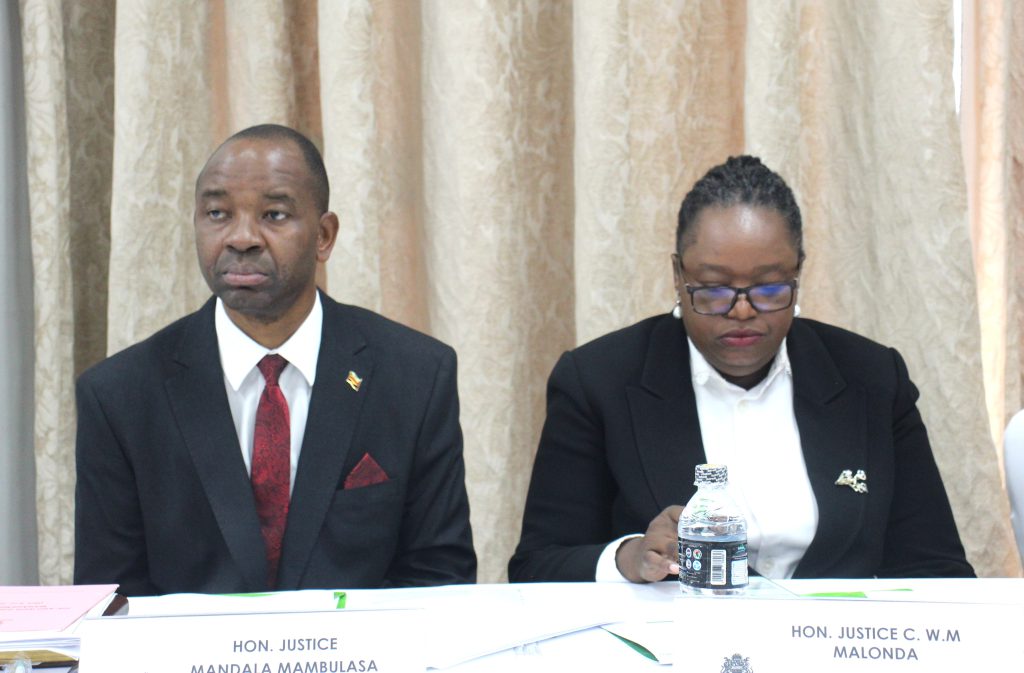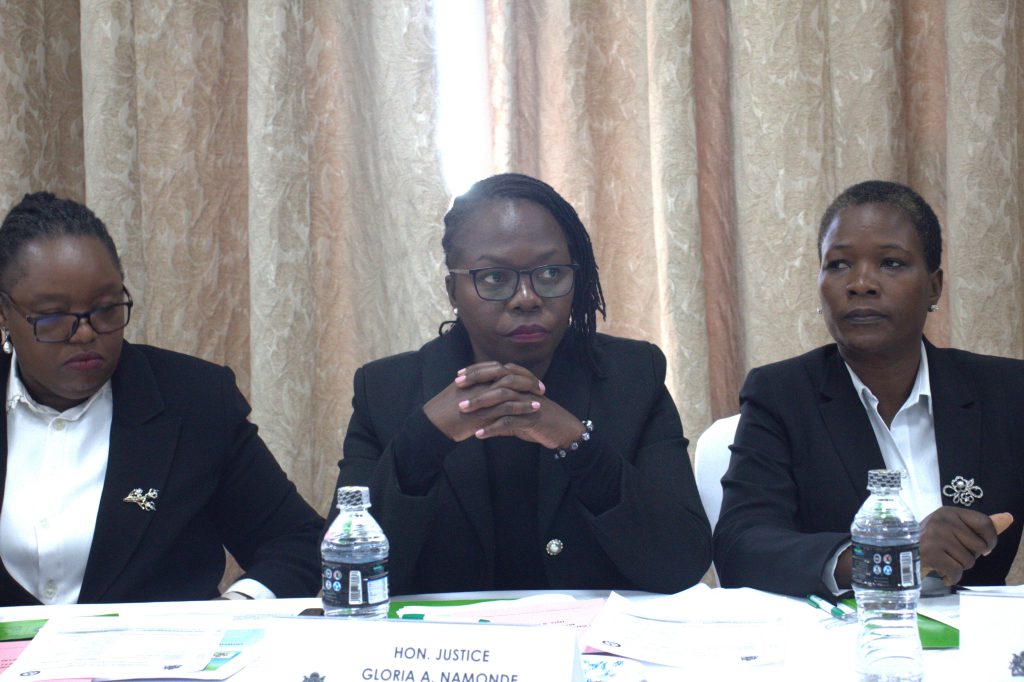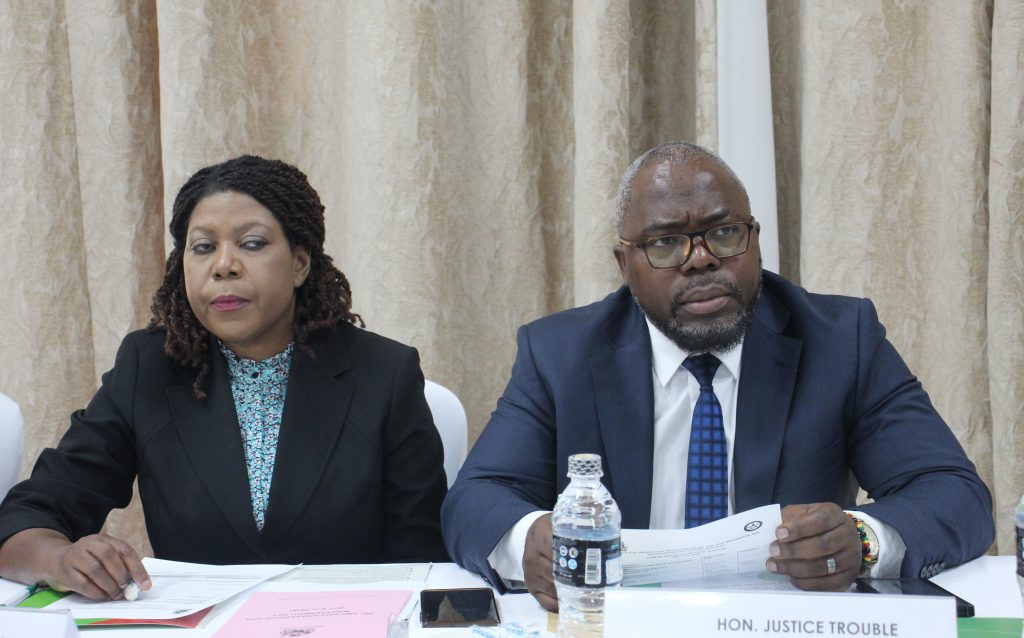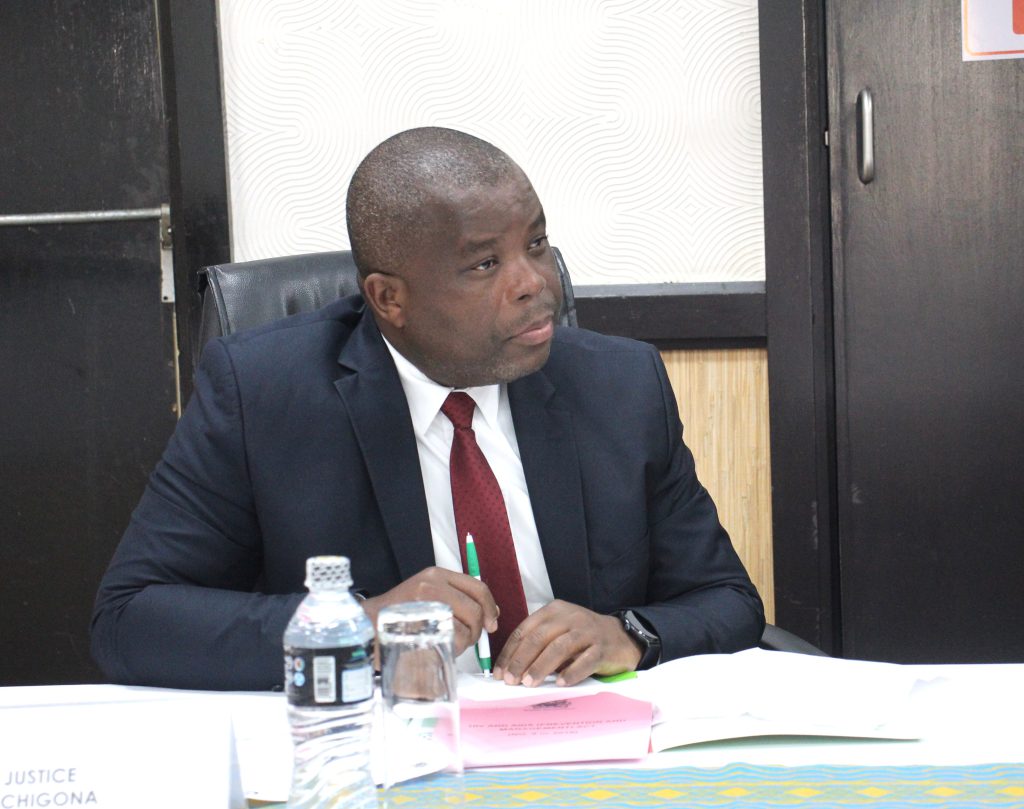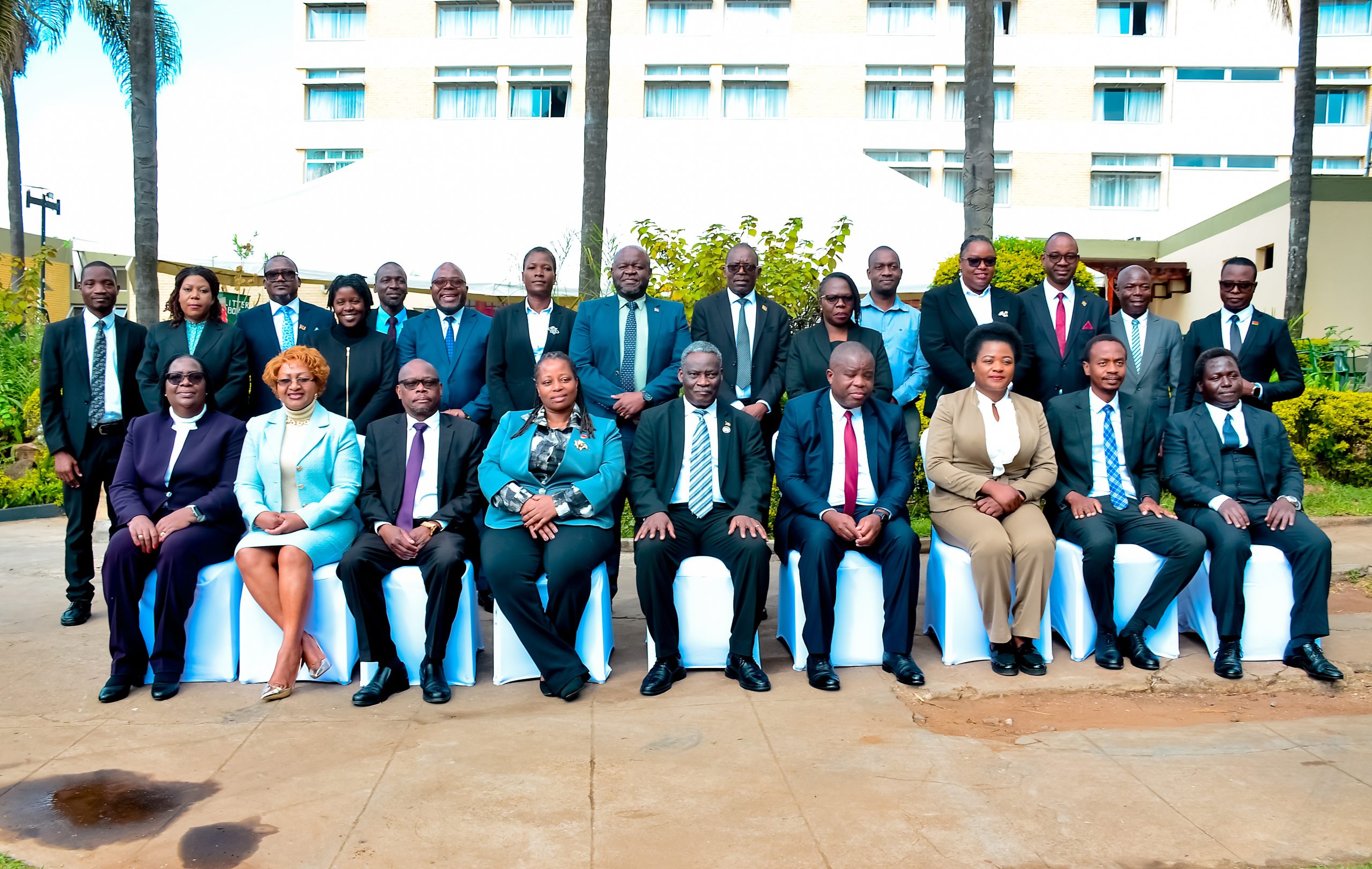
It was a time of reflection, sharing experience and drawing possible recommendations and action on how to effectively apply the HIV and AIDS (Prevention and Management) Act No. 9 of 2018 in pursuant of justice for people living with HIV whose privacy and rights have been violated.
This is the third orientation session for the members of the Malawi Judiciary organized by the Judicial Training Committee in collaboration with the National AIDS Commission since December 2024. It took place on 30th July 2026 at Sunbird Hotel in Blantyre city.
Officially opening the session, Hon. Chief Justice of the Republic of Malawi Justice Rizine Mzikamanda, SC, appreciated the intervention by the National AIDS Commission and the Judiciary Training Committee for putting this capacity building orientation session targeting the Judicial Officers who are guardians of our Constitution and who constitute the bulwark of the rule of law.
“We have every reason to be thankful to the National AIDS Commission and the Judiciary Training Committee for their thoughtfulness in coming up with these relevant capacity building initiatives. Our constitutional mandate is clear under section 9, we have the responsibility of interpretating, protecting and enforcing the Constitution and all laws in an independent and impartial manner with regard only to legally relevant facts and the prescriptions of laws”, stated the Chief Justice.
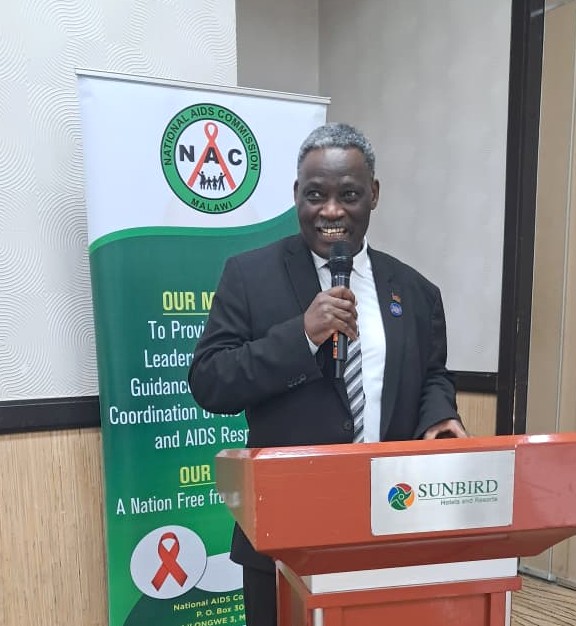
The Chief Justice alluded to the fact that the Malawi Judiciary has for long time spoken against and acted against stigma and discrimination in relation to HIV and AIDS infected and affected individuals within its ranks. He stated that the Malawi Judiciary has been using government policies, including setting aside of a 2% of its ORT budget to support those living with HIV
“I do hope that the policy of 2% of ORT budget supporting eligible members of staff continues to be faithfully observed and complied with, while respecting their privacy, if not, it is time we make sure it is honored”, he added.
He therefore reminded the Justices of Appeal and judges of the High Court that their function as Judicial Officers goes beyond the prevention of stigma and discrimination on grounds of HIV and AIDS within the Judiciary itself, rather it is much broader and extends to entire nation through the application of the relevant laws such as the HIV and AIDS (Prevention and Management) ACT No. 9 of 2018. As such he challenged the Justices and Judges to acquaint themselves with the HIV and AIDS Act to improve administration of justice to people living with HIV whose rights have been violated.
Also speaking during the opening session, National AIDS Commission Chief Executive Officer Dr. Beatrice Matanje, while acknowledging that there are many players in the implementation of the HIV and AIDS Act, she hinted that the Malawi Judiciary plays a pivotal role in upholding this Act, ensuring justice and dignity for those affected
“Pieces of legislation need to be implemented effectively, and this workshop is a continuation of our engagement with the judiciary, aimed to enhance your understanding, promote empathy, and equip you to apply the Act effectively. We started with magistrates, then some high court judges and today we have you here in the last session”, explains Dr. Matanje.
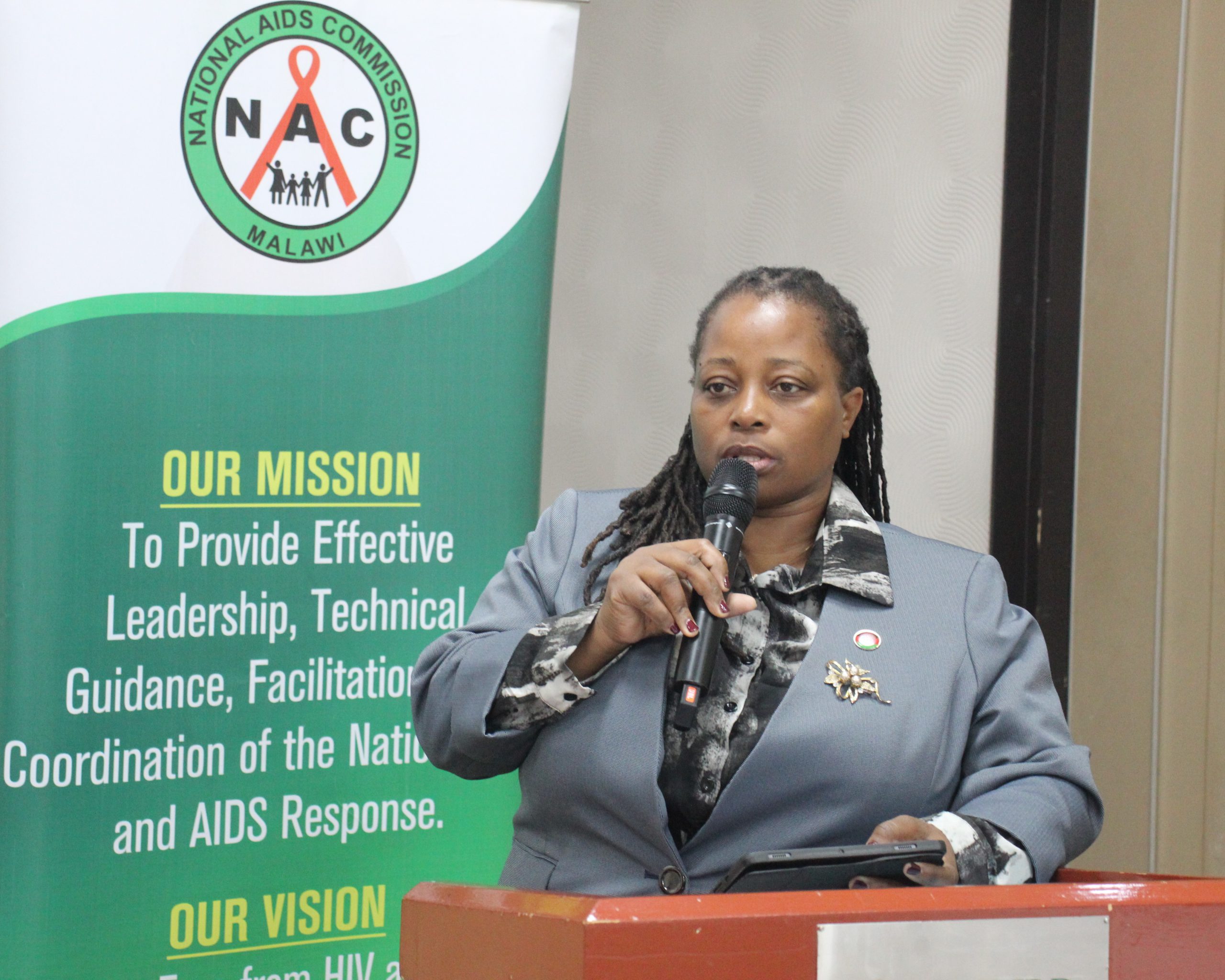
The NAC CEO appealed for continued collaboration to reduce stigma, promote awareness and support for those living with HIV, saying it is a critical element that would help to increase access to HIV prevention, care, and treatment services to end AIDS as a public health threat by 2030.
“We are confident that, through our collective efforts and continuous collaboration, we can achieve a more informed and healthier Malawi”
In 2025, a similar session was held in Salima where members of the high court were in attendance and in 2024, Magistrates across the three regions of Malawi were also orientated on the HIV And AIDS (Prevention and Management) ACT # 9 of 2018.