

The Malawi National Consultation Meeting ahead of the 2026 High-Level Meeting on HIV/AIDS, was held on May 7th, 2026, at Sunbird Capital hotel in Lilongwe under the theme “Inputs for the Multi-Stakeholder Hearing and Political Declaration.” The meeting was presided by Dr. Dan Namarika, Secretary for the Ministry of Health and Sanitation, and Mr. Chauncey Simwaka, Permanent Secretary Ministry of Foreign Affairs and Emily Kayimba, Malawi Network of AIDS Services Organisation and moderated by Dr. David Chipanta, UNAIDS Country Director and Representative for Malawi. The meeting attracted senior officials from UN Agencies, PEPFAR, Government of Malawi and Civil Society Organization members. The outcome of the meeting will feed directly into Malawi’s inputs for the Multi-Stakeholder Hearing and the forthcoming 2026 Political Declaration on HIV and AIDS at the 2026 UN High-Level Meeting scheduled to take place from June 22nd to 23rd 2026 in New York.
Every five years, world leaders from governments, civil society and the UN system convene at the United Nations General Assembly (UNGA) in New York to comprehensively review progress against the commitment made to end the AIDS pandemic as a public health threat by 2030.
The discussions at the Malawi National Consultation on the 2026 High-Level Meeting on HIV were themed on leaving no one behind: key populations and vulnerable communities, sustainable financing and global solidarity as well as integration with universal health coverage and pandemic preparedness.
UNAIDS Country Director for Malawi, Dr. David Chipanta stated that on 24 April 2026, UN member states voted to adopt a resolution, committing all 193 countries of the United Nations General Assembly to hold the next High-Level Meeting (HLM) on HIV/AIDS on 22nd –23rd June 2026. He indicated that the meeting reinforces the role of the UNGA as the primary global political forum for accountability and commitment in the HIV response.
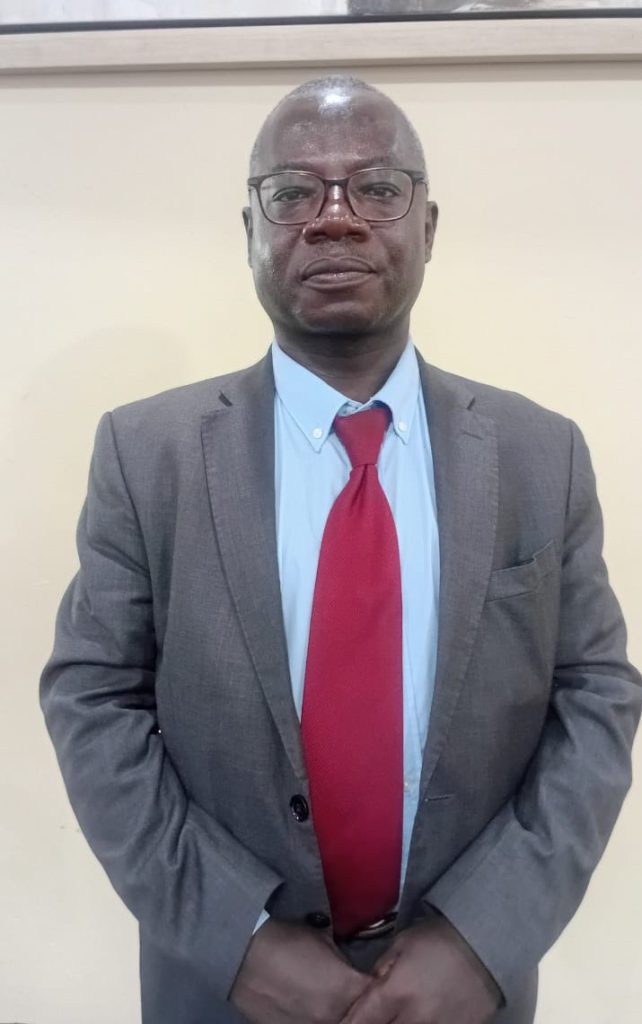
This HLM is a critical moment for member states to renew their political commitment to ending AIDS as a public health threat by 2030, to ensure the HIV response remains visible and well resourced, to protect hard-won gains, and to reaffirm the UN’s unique and essential leadership role in the global HIV response”, states Dr. David Chipanta, UNAIDS Country Director.
Dr. Chipanta said this year’s HLM comes at a particularly crucial time.
“With discussions around UNAIDS’ transition and further integration within the UN system, the recommitment of the United States Government as the largest bilateral donor to the global HIV response, and the innovation and progress offered by new antiretroviral-based HIV prevention medicines”, he added.
He urged Malawi to adequately participate and engage in the High-Level Meeting process including field a Team comprising Ministers from the Government, Members of Parliament, academia, and people living with at risk of and affected by HIV, setting an example on Malawi’s Global leadership on HIV.
Taking his turn, Secretary for Health in the Ministry of Health and Sanitation Dr. Dan Namarika said the meeting was critical to fulfill one of the key requirements of the 2021 Political Declaration on HIV and AIDS: that member states undertake broad national consultations to inform global deliberations and commitments. As such he said Malawi takes this obligation seriously. He announced that Malawi has received the first batch of Lenacapvir, once every six months long-acting injectable pre-exposure prophylaxis financed by the US Government, Dr. Namarika, said
“We have a story to share; the Malawi Government has made remarkable and measurable progress toward epidemic control. We can report with pride that Malawi has achieved and is sustaining the 95:95:95 targets with high antiretroviral therapy (ART) coverage and strong viral suppression rates at the national level. Of particular significance is Malawi’s commitment to domestic ART co-financing, which signals a growing sense of national ownership and long-term sustainability in our HIV response”, explains Dr. Namarika.
He observed that the achievements reflect years of dedicated investment by the Government, our partners, civil society, and above all the communities and healthcare workers who deliver these services day in and day out. Dr. Namarika highlighted several areas of concern such as shift in donor priorities away from HIV, increasing persistent advanced HIV disease, gaps in treatment coverage for children and adolescents, increasing aging cohort of people living with HIV along side an increase in non-communicable diseases among people living with HIV, gender based violence and others. He ended his remarks by committing the Government of Malawi Political Declaration with a vision to ensure that quality, efficient and effected HIV services for all people in Malawi.
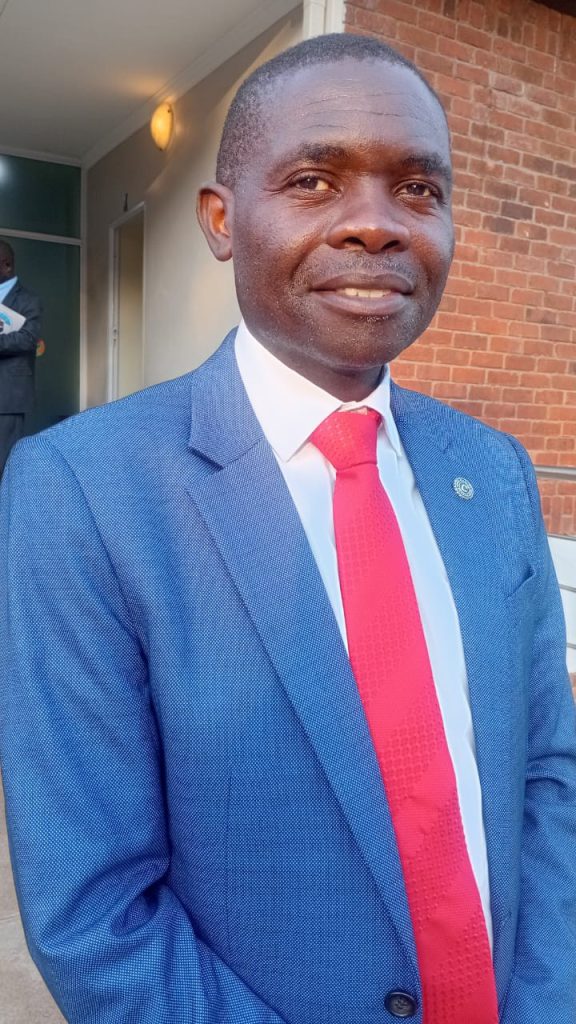
In the same vein, Secretary for Foreign Affairs Mr. Chauncy Simwaka stated that the Malawi national consultation meeting on HIV was timely to define clear and united national position and advance a strong equitable, coordinated and sustainable global response.
“Malawi aligns itself with this continental position. As we proceed to New York, we must therefore speak not only as a country, but as part of a broader African voice calling for renewed global solidarity, fairer partnerships, and a more balanced sharing of responsibility in the global HIV response,” said Mr. Simwaka.
He furthermore alluded to that Malawi’s Ministry of Foreign Affairs and International Cooperation views the forthcoming High-Level Meeting not merely as a health-sector engagement, but as a critical multilateral platform on development cooperation. He therefore ensured the UNAIDS Country Office in Malawi that Malawi’s participation transcends technical representation and reflects the highest level of political engagement.
During the National Consultation meeting, the Civil Society Organizations led by Executive Director of Malawi Network of AIDS Services Organisation (MANASO) Emily Kayimba made a presentation which focused on challenges the sector is facing as a result of shrinking foreign aid.
On the other hand, Director of HIV, STIs and Viral Hepatitis Department in the Ministry of Health and Sanitation Ms. Linley Chewere and National AIDS Commission (NAC) Chief Executive Officer Dr. Beatrice Matanje co-presented on the Status of the HIV epidemic including key highlights of issues to be considered from Malawi HIV response perspective into the 2026 Political Declaration on HIV and AIDS.
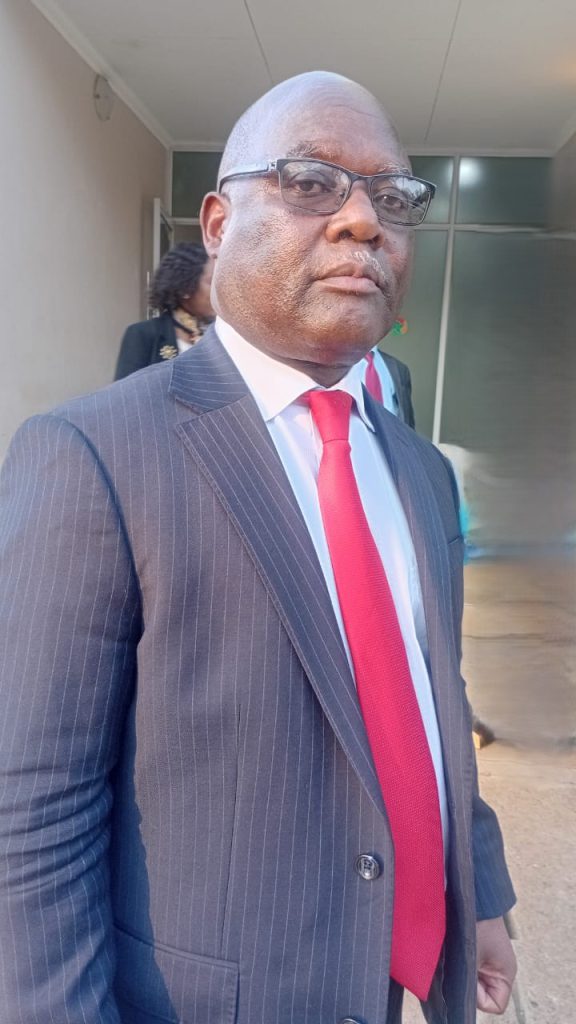
At the 2026 UNGA High-Level Meeting on HIV/AIDS (HLM), Member States will consider a draft UN Political Declaration on HIV and AIDS and negotiate its content including targets derived from the Global AIDS Strategy 2026-2031, and commitment themselves to implementing the new political declaration.