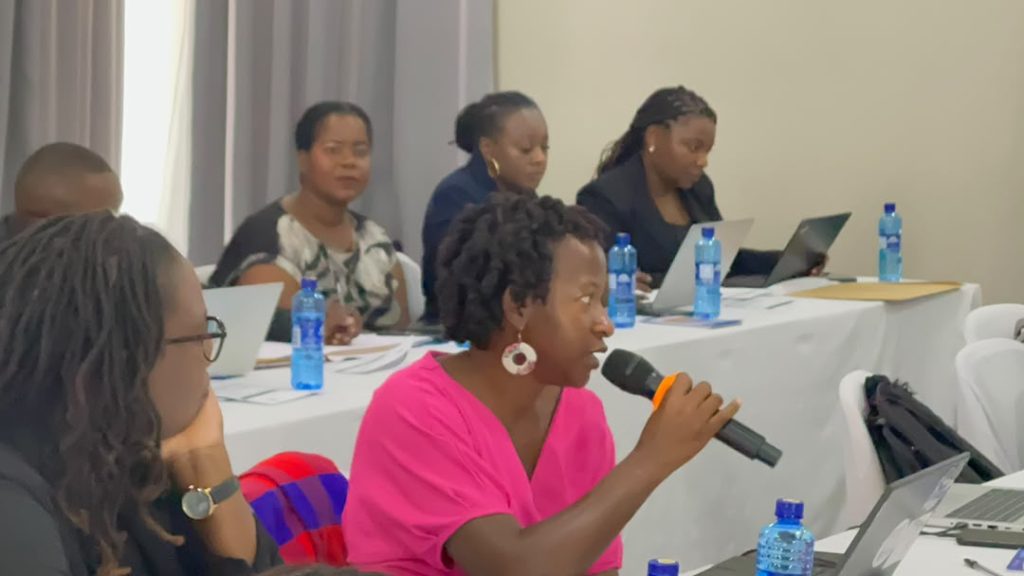
Malawi is taking positive steps to strengthen its participation in HIV cure and vaccine research through stakeholder collaboration, scientific capacity building and the identification of national research priorities.
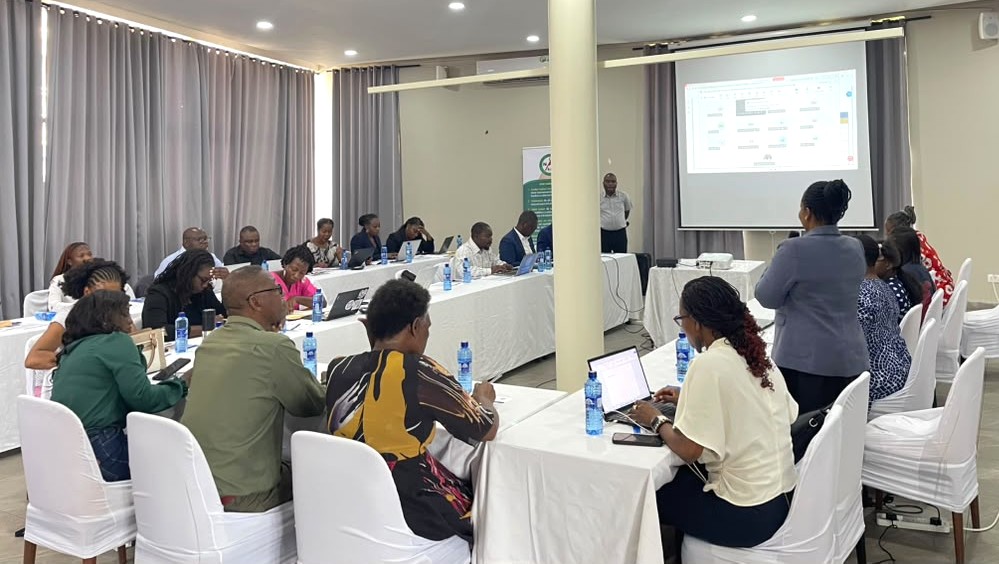
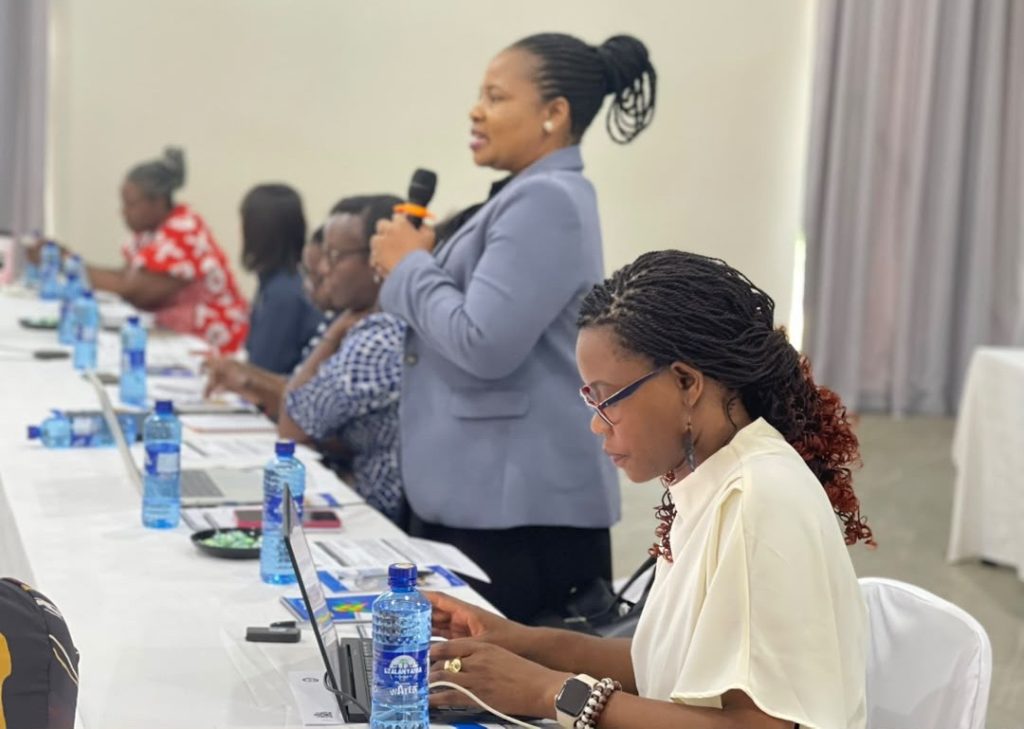
This was the focus of the National HIV Cure and Vaccine Research Stakeholder Dialogue held on 13th October 2026 at Lifestyle hotel in Lilongwe. The meeting brought together stakeholders to review progress in HIV cure and vaccine research, assess ongoing studies and identify priority actions to advance Malawi’s research agenda.
Participants included representatives from the Ministry of Health, University of North Caroline (UNC Project) Malawi, the National AIDS Commission (NAC), the Malawi Network of AIDS Service Organisations (MANASO), UNAIDS, the World Health Organization (WHO), Generational Empowerment Movement, Y+ Malawi, the Coalition of Women Living with HIV and AIDS (COWLHA) and Lighthouse.
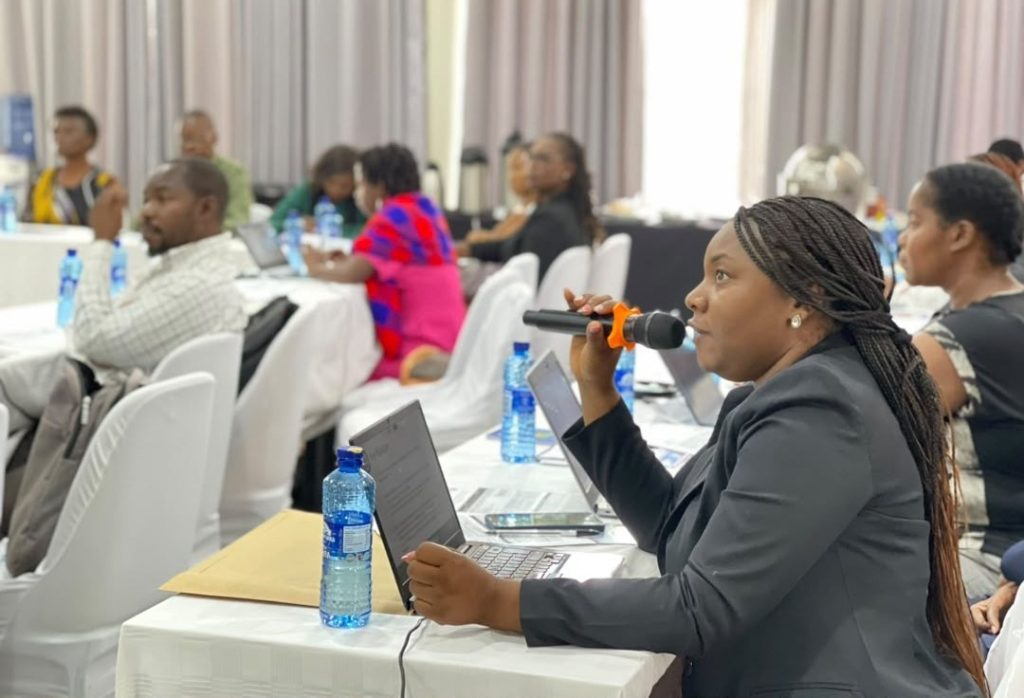
Speaking at the meeting, NAC Acting Chief Executive Officer, Ms. Tione Chilambe, highlighted the importance of investing in scientific innovation to complement the progress Malawi has made in its HIV response.
Building a meaningful research ecosystem requires investment in scientific capacity, infrastructure, ethical and regulatory oversight, sustainable financing and genuine community participation,” she said. The NAC’s Acting CEO also emphasized the importance of involving people living with HIV and affected communities in shaping research priorities and ensuring that studies are ethical and responsive to their needs. “We have come a long way as a nation; we are a testament of what scientific evidence on HIV and AIDS and the talk about HIV Cure and Vaccine research can do for Malawi”.
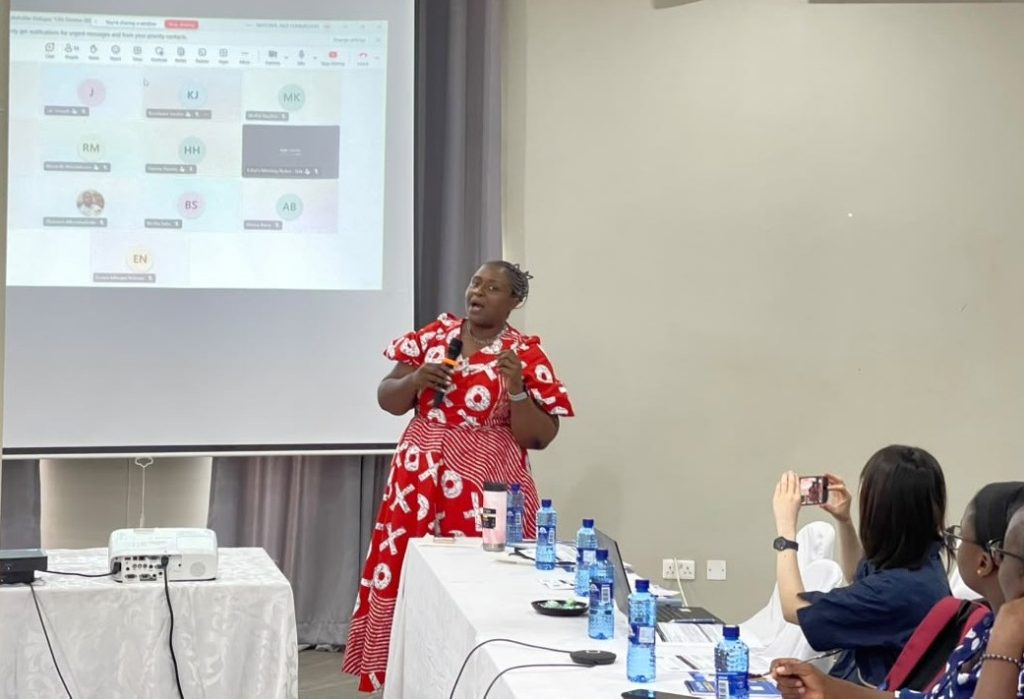
Also speaking earlier virtually, International AIDS Society IAS representative Riccardo Maddalozzo described the national dialogue on HIV Cure and Vaccine research as a steppingstone towards closing taps for new HIV infections in Malawi. It is encouraging to note that Malawi continues to register remarkable strides in the fight against HIV and AIDS.
We have seen lots of people on ART living long and this is no mean achievement. Rolling out of PrEP specifically the long injectable Lenacapavir is a breakthrough in the response. IAS representative commended players in the HIV sector for vigilant action to strengthen the HIV cure and Vaccine research discussion which is a step towards ending HIV tap”, he stated.
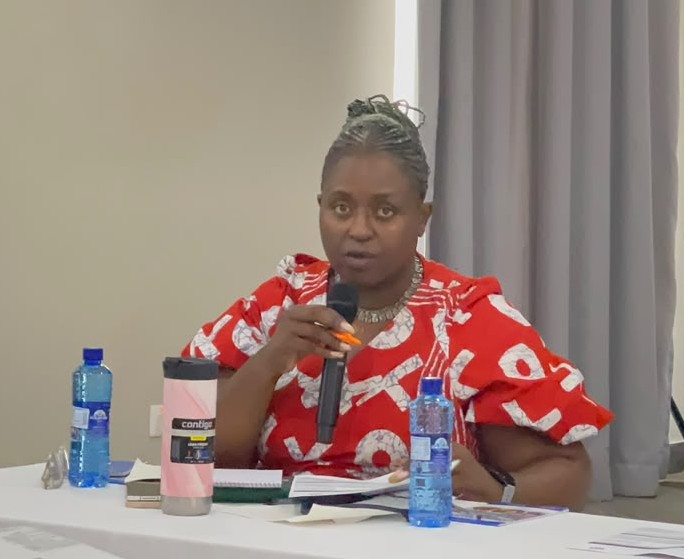
And Department of HIVAIDS STIs and Viral Hepatitis (DHA) representative Dalitso Midian stated that it will ensure all research processes and procedures are followed to ensure inclusivity. She stated that the department would like to see more women participating in the HIV Cure and Vaccine research for acceptability of the findings.
The dialogue built on the National HIV Cure Agenda-Setting Dialogue held in April 2025, providing an opportunity for stakeholders to review previous outcomes, assess ongoing research and agree on practical steps towards advancing the national research agenda.
HIV cure and vaccine research is an evolving field of scientific investigation that seeks to develop new approaches to preventing and ultimately eliminating HIV. Although antiretroviral therapy (ART) has significantly improved the health and life expectancy of people living with HIV, it does not eliminate the virus from the body. Researchers are therefore exploring strategies to achieve a cure, develop preventive vaccines that protect against HIV infection, and investigate therapeutic vaccines that could help people living with HIV to control the virus.
During the meeting, participants received updates on ongoing HIV cure and vaccine-related clinical trials and emerging evidence studies in Malawi. They also explored experiences from South Africa and other countries to identify lessons for strengthening research partnerships, institutional capacity and community engagement.
The discussions further examined opportunities for Malawi to position itself within the regional HIV cure research agenda, particularly ahead of an anticipated visit by an International AIDS Society delegation. This engagement is expected to provide an opportunity to communicate Malawi’s research priorities and identify areas where regional and international collaboration could offer technical and strategic support.