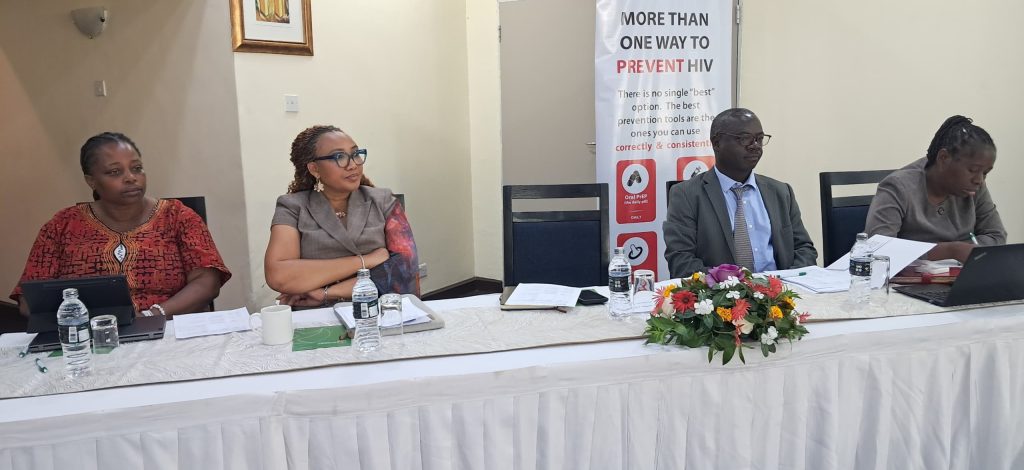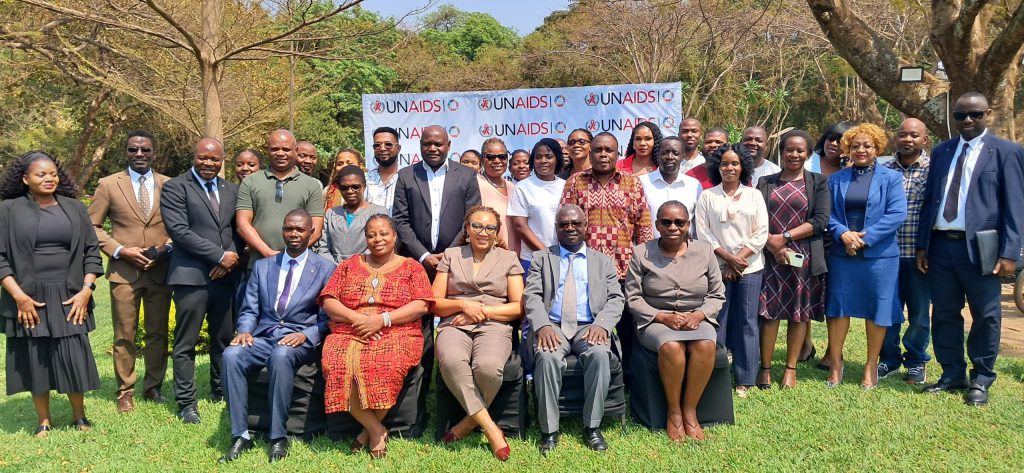
On August 28th, 2026, Malawi held a nation feedback session in the aftermath of the 2026 Unted Nations High Level meeting on HIV and AIDS which held from June 22nd and 23rd June in New York. The feedback session held at Sunbird Capital hotel in Lilongwe. It was presided over by the Secretary for Health in the ministry of Health and Sanitation Dr. Dan Namarika.
The objective of the 2026 HLM were to assess the 2025 HIV targets and commitments in the 2021 Political Declaration, define concrete commitments and accountability mechanisms for 2026–2031 and align Member States behind the UNAIDS Global AIDS Strategy 2026–2031. The key outcome of the HLM was the adoption of a adopted a new Political Declaration aligned with the UNAIDS Global AIDS Strategy 2026–2031 by member states.
Presenting key out comes from the 2026 HIV and AIDS HLM, National AIDS Commission Chief Executive Officer Dr. Beatrice Matanje stated that the global response remains off-track to end AIDS as a public threat by 2030. She highlighted that the global 2025 HIV targets were not achieved as anticipated, citing late diagnosis, loss of follow-up and advanced HIV diseases remained a major barrier to treatment success. In the presentation, it was observed that funding cuts negatively impacted prevention interventions, especially community-led programmes.
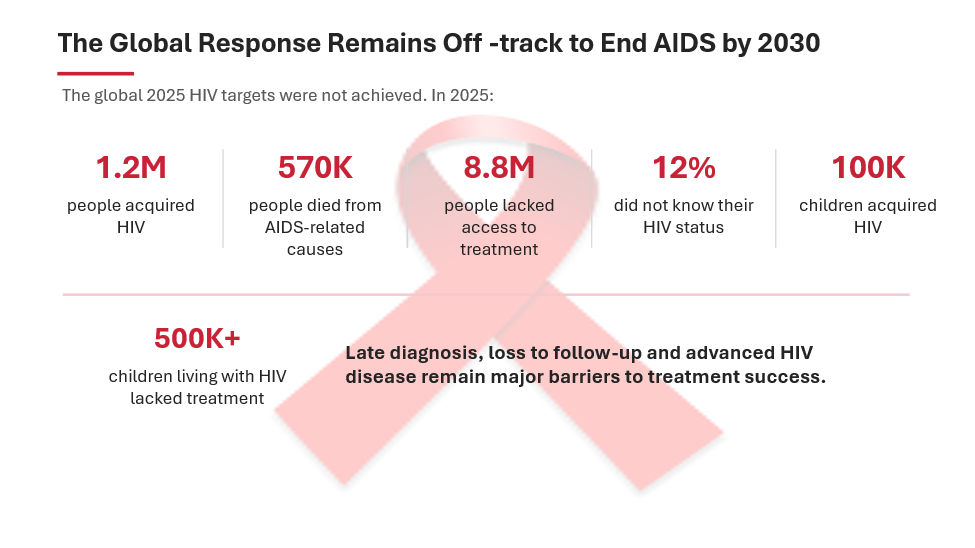
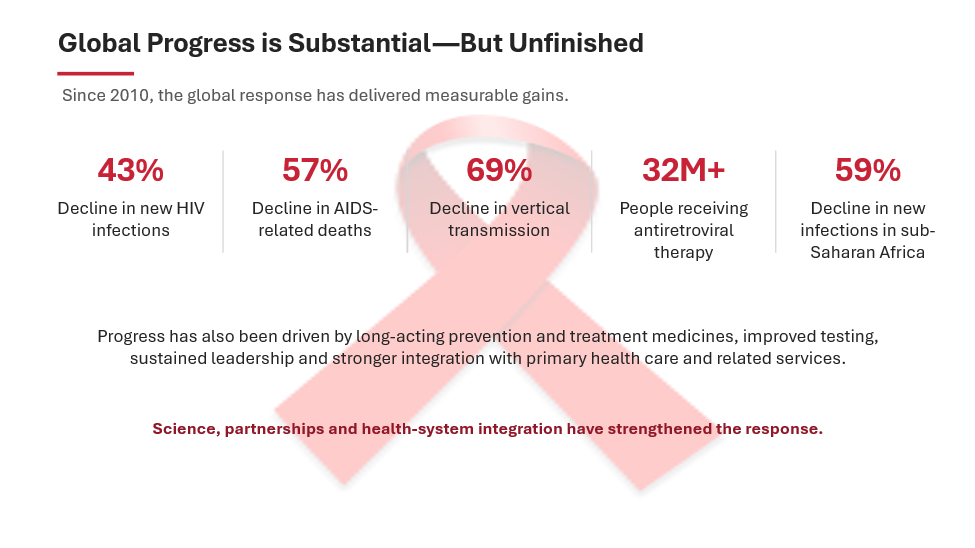
Nonetheless, Dr. Matanje highlighted that since 2010, the global response has delivered measurable gains, attributing this to long-acting prevention and treatment medicines, improved testing, sustained leadership and stronger integration with primary health care and related services.
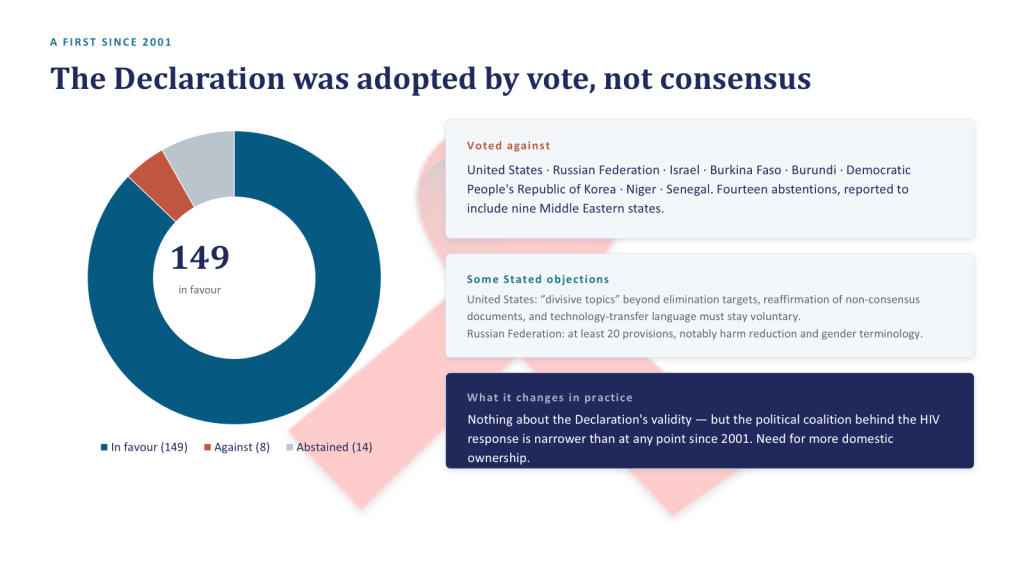
On the new Political Declaration aligned with the UNAIDS Global AIDS Strategy 2026–2031 by member states, Dr. Matanje revealed that the Declaration was adopted by vote, not consensus, with 149 countries, Malawi inclusive voted in favor of the declaration, while 8 member states voted against it and 14 other members states abstained from the vote.
According to NAC CEO, even though there was nothing about the Declaration’s validity, however, she stated that this signified that the political coalition behind the HIV response was becoming narrower than at any point since 2001, hence the need for more domestic ownership.
When commenting on the current global status on HIV statistics, Dr Matanje said,
Despite all the challenges, we are happy that it was noted that Malawi is doing well in its efforts within the sub-Saharan region and globally. Our statistics are better than the global averages”.
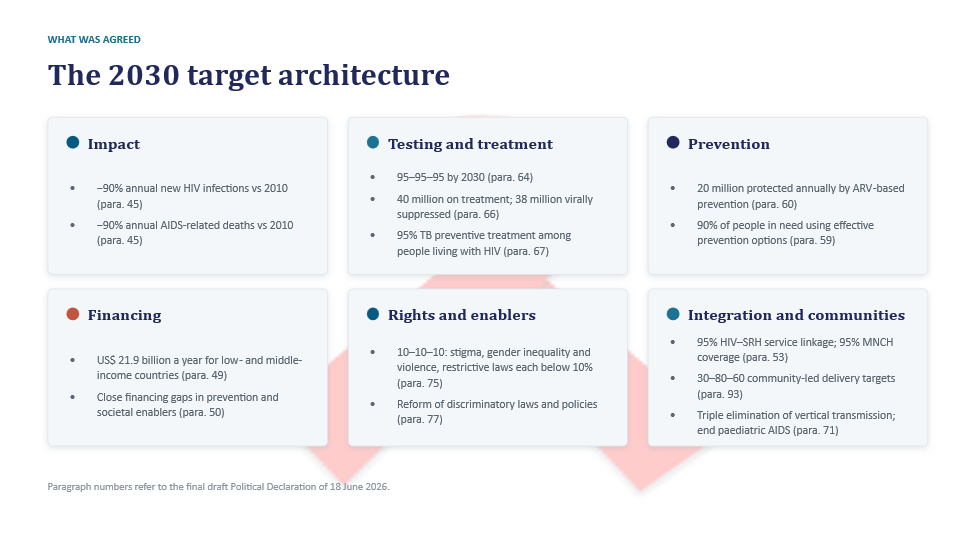
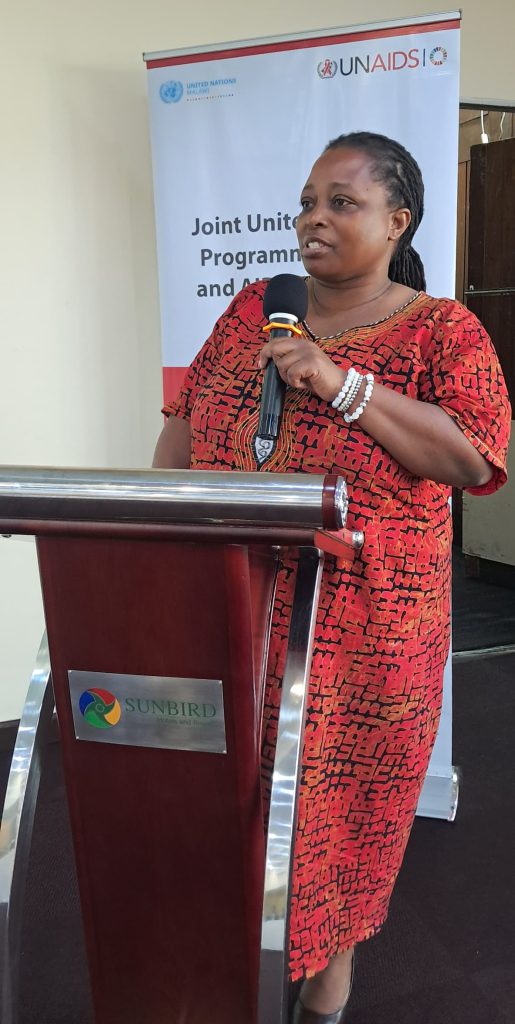
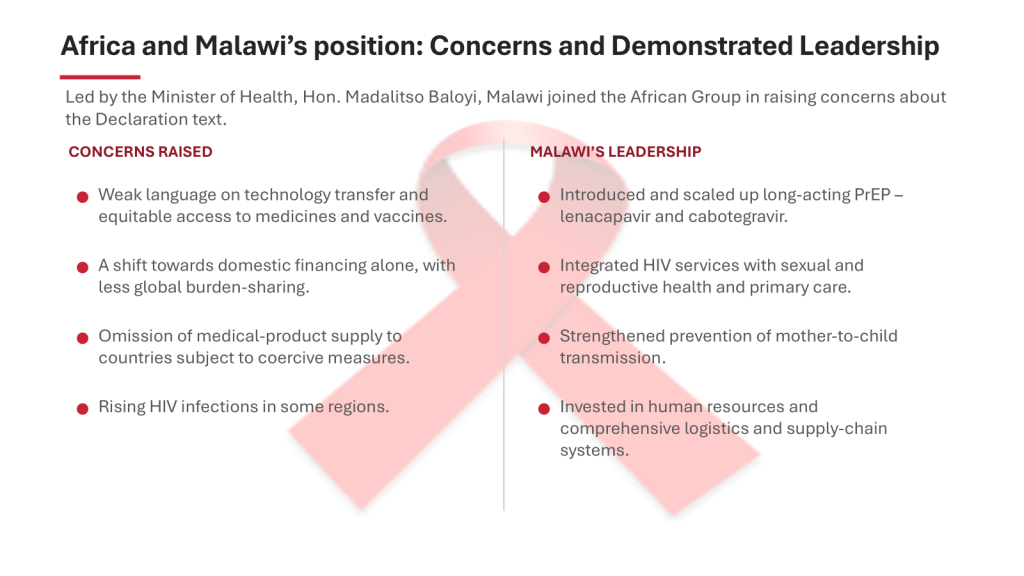
Taking his turn, UNAIDS Country Director Dr. David Chipanta observed that the 2026 High-Level Meeting took place at a particularly important moment in the history of the HIV response, stating that reaching consensus on a new Political Declaration was neither automatic nor easy. “The negotiations were among the most complex we have seen in recent years. They reflected a changing global environment characterized by evolving geopolitical realities, growing pressure on development financing, competing global priorities, and important debates about the future architecture of the global AIDS response”, explained Dr. Chipanta. Dr. Chipanta hinted that the discussions at the UN high-level meeting on HIV and AIDS meeting signaled that the HIV response has entered a new era. He echoed that despite contrary views which had emerged during the conference, members states adopted a new Political Declaration by an overwhelming majority.
“This achievement should remind us that the world has not lost its ambition to end AIDS as a public health threat by 2030. This is a renewed global compact, a commitment by nations to accelerate progress and ensure that the world remains on track to end AIDS as a public health threat by 2030”, stated the UNAIDS Country Director.
On the other hand, Dr. Chipanta detailed that the changing architecture also reflected in ongoing discussions of the UN 80 reporting specifically the future of UNAIDS which he recalled it is about transitioning the work, expertise and unique strengths of UNAIDS within the broader United Nations system, while preserving the accountability, partnerships, community-centred approach and results orientation that have characterized UNAIDS over the past three decades.
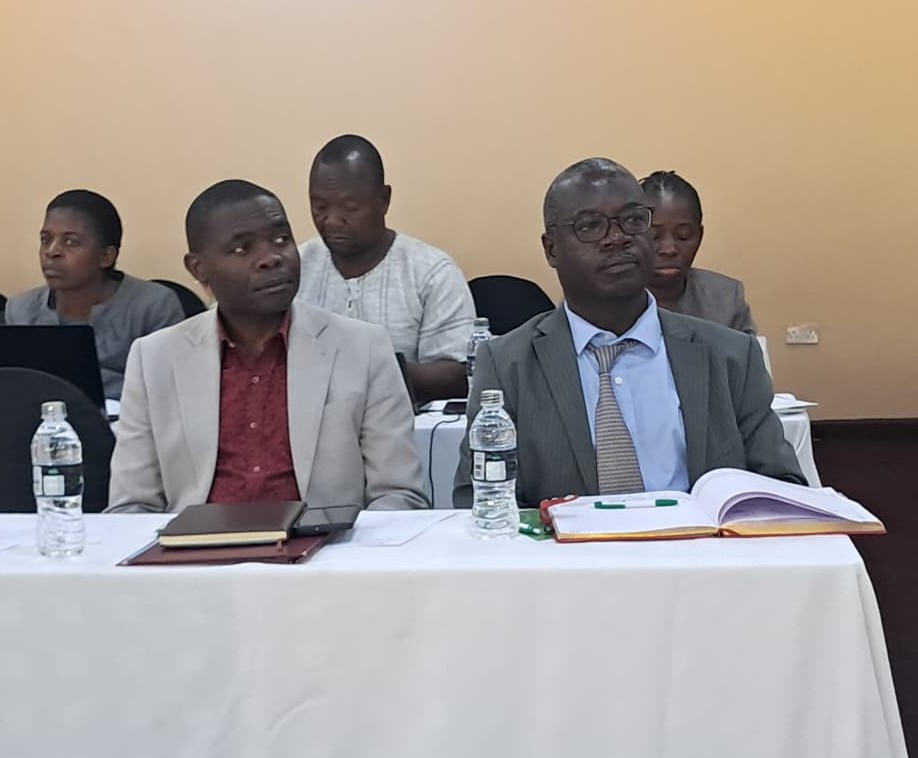
“The conversation is not about sunsetting UNAIDS, UNAIDS Executive Director Ms. Winnie Byanyima is committed to make sure that the transition is orderly and does not weaken the global AIDS response. That is why she has made a commitment to renew the serving UNAIDS staff contracts through December 2026. I can assure you that regardless of the institutional arrangements that may emerge, our responsibility remains unchanged—to protect the gains we have made, accelerate our progress and ensure that no one is left behind”
Summing up, Secretary for Health in the Ministry of Health and Sanitation Dr. Dan Namarika stated that the 2026 UN Political Declaration on HIV/AIDS came at a pivotal moment for Malawi to redefine the next phase of the response and capitalizing on country gains registered over the past decades.
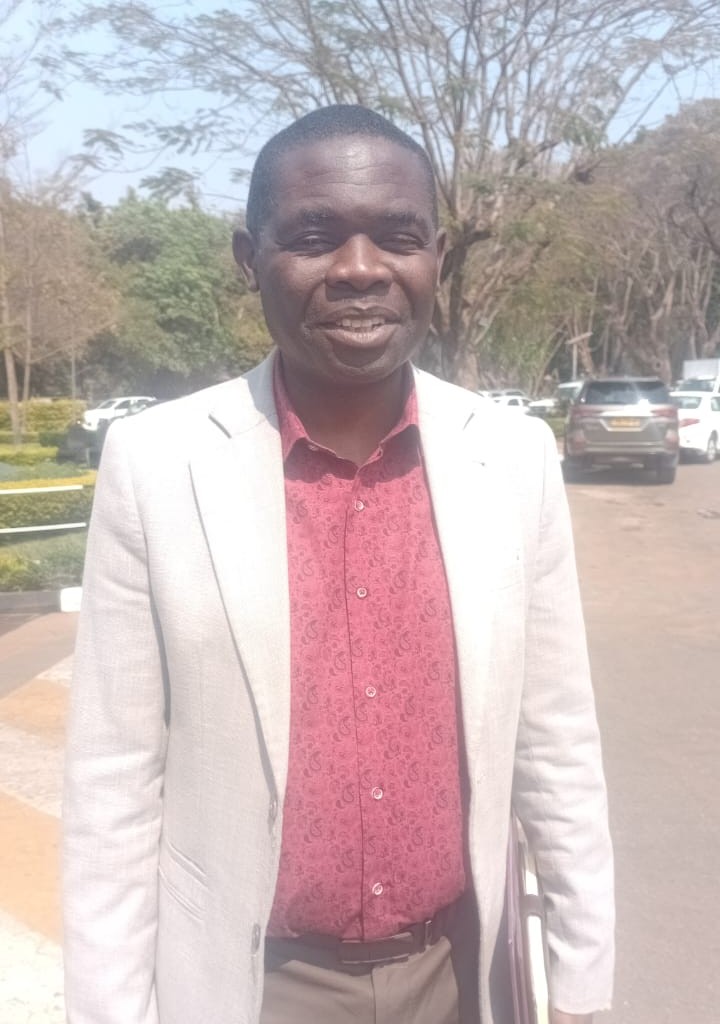
“It is encouraging that as a nation we have registered remarkable progress in our efforts locally and globally, and I’m appealing to the discussants to come up with strategies to sustain the gains amidst increased financial shrinking, persist inequalities and growing pressure on health systems”, explained Dr. Namarika.
Meanwhile, Executive Director of Malawi Network of AIDS Services Organisation (MANASO) Emily Kayimba while describing the 2026 High-level meeting on HIV and AIDS as challenging, she made an assurance that Civil society Organisations will continue to play their pivotal role to ensure there’s openness and prudence in the national response as committed in the new declaration.
Malawi was represented by the Minister of Health and Sanitation Honorable Madalitso Baloyi MP, Principal Secretary (Administration) in the ministry of Finance Mr. Patrick Liphava, National AIDS Commission Chief Executive Officer Dr. Beatrice Matanje, Deputy Director of Europe in the Ministry of Foreign Affairs Ms. Quent Kalichero, and Chief Disease Control Officer in the Ministry of Health Mr. Washington Ozituosauka