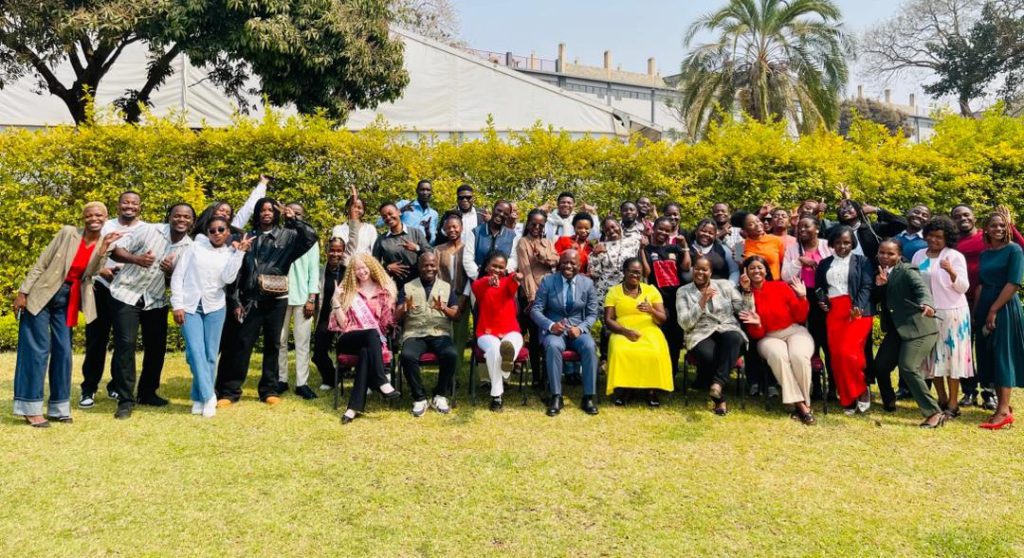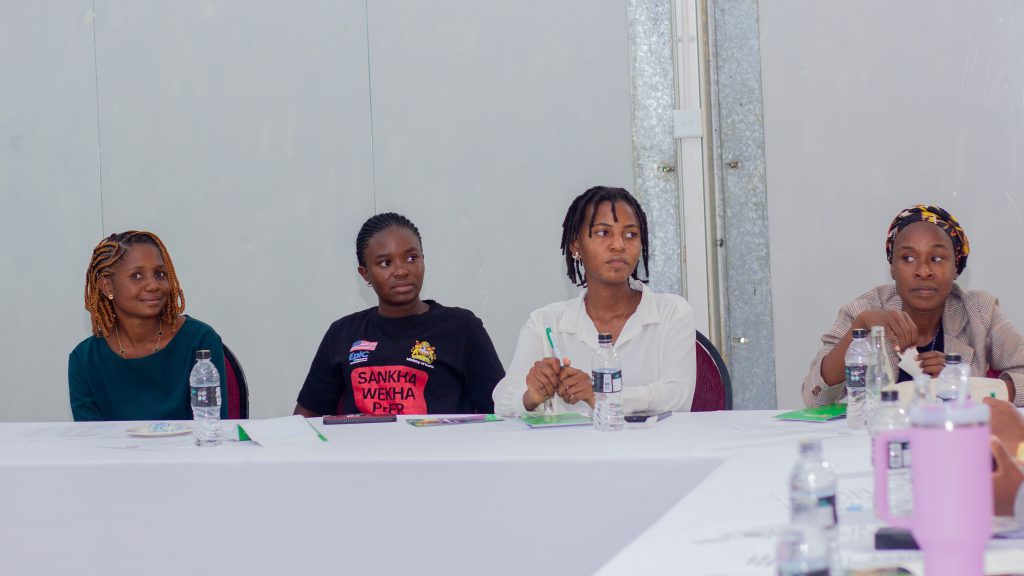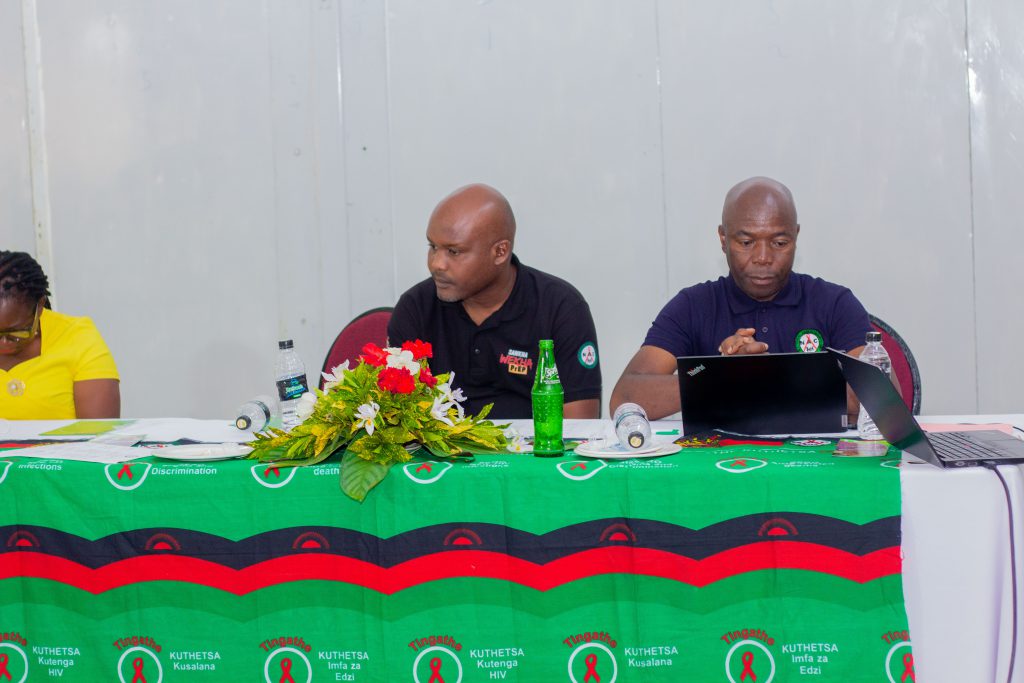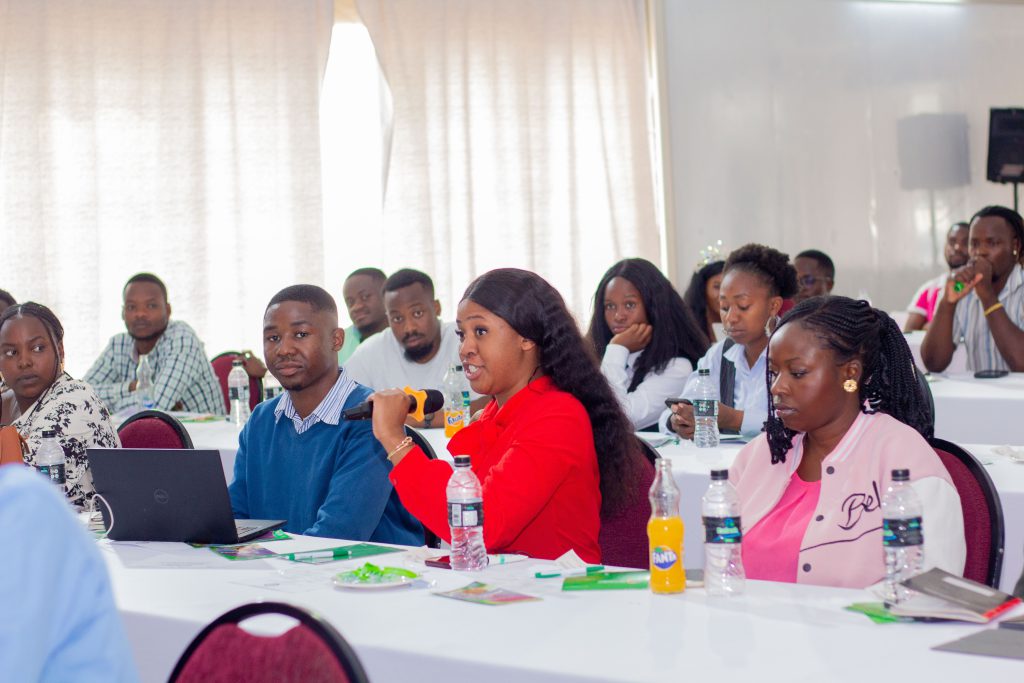
The National AIDS Commission (NAC) has oriented Lilongwe-based social media influencers and content creators on Pre Exposure Prophylaxis (PrEP) and the HIV and AIDS Act. A total of 50 social media influencers attended the session held on 27th August 2026 at Sunbird Lilongwe Hotel. It was conducted with funding from the United States Government through the Centre for Disease Control and Prevention (CDC) project.
The session was organized to equip social media influencers with accurate and up-to-date information on PrEP as an HIV prevention option, including long-acting injectable Cabotegravir (CAB-LA), Lenacapavir (LEN), and oral PrEP.
The social media influencers were particularly oriented to become effective communicators of PrEP messages and broaden the reach of the “Sankha Wekha: My PrEP Choices” campaign that was hatched empower people with information and enable them to make informed choices about their health.
Sankha Wekha PrEP! “My PrEP Choices” is a new national HIV prevention communication initiative aimed at empowering Malawians with the knowledge and freedom to choose the HIV prevention methods that best suit their needs and lifestyles.
The session also strengthened participants’ understanding of the HIV and AIDS (Prevention and Management) Act No.9 of 2018, particularly provisions that impose a duty to protect privacy, communicate accurate information, and avoid content that fuels stigma or causes harm. Some highlights below.

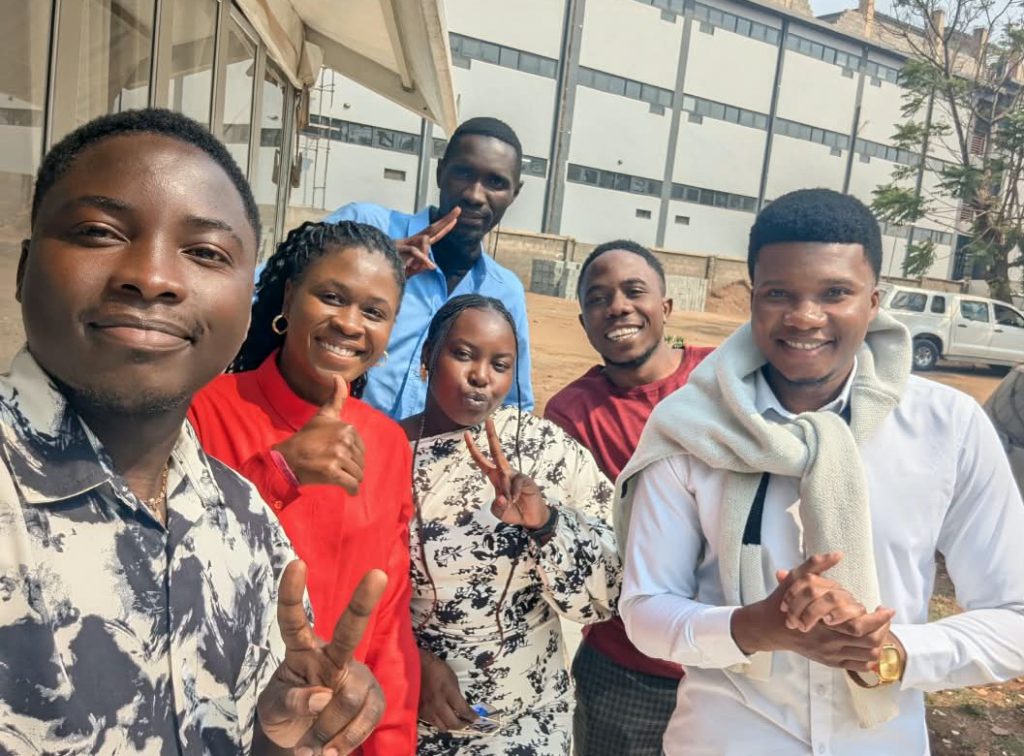
NAC’s Acting Director of Finance, Mr. Robert Mkandawire presided over the orientation session on behalf of the Chief Executive Officer Dr. Beatrice Matanje.
In his welcoming remarks, Mr. Mkandawire highlighted the significant influence social media personalities have on public opinion, stating that in this digital driven era, people consume a lot of information shared on social media influencers, giving them a unique platform to reach and influence large audiences.
We’re living in a time where social media is no longer simply a platform for entertainment. It has become one of the most powerful ways of sharing information, creating awareness and influencing decisions, particularly among young people and other target populations. We therefore believe that together, we can take the message of HIV prevention far beyond this room in line with Agenda 2063 on universal and inclusive heath care services”, elaborated Mr. Mkandawire
As such he added, “this session is strategic and intends to equip with relevant knowledge so that you be empowered with updated information regarding PrEP as HIV prevention option available in Malawi, and we are hoping that you will be able to utilize your platforms responsibly by promoting accurate, positive and reliable health information”.
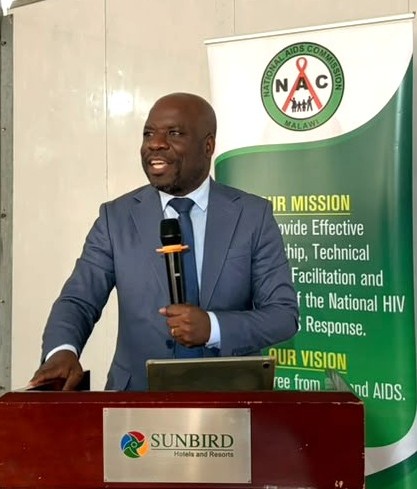
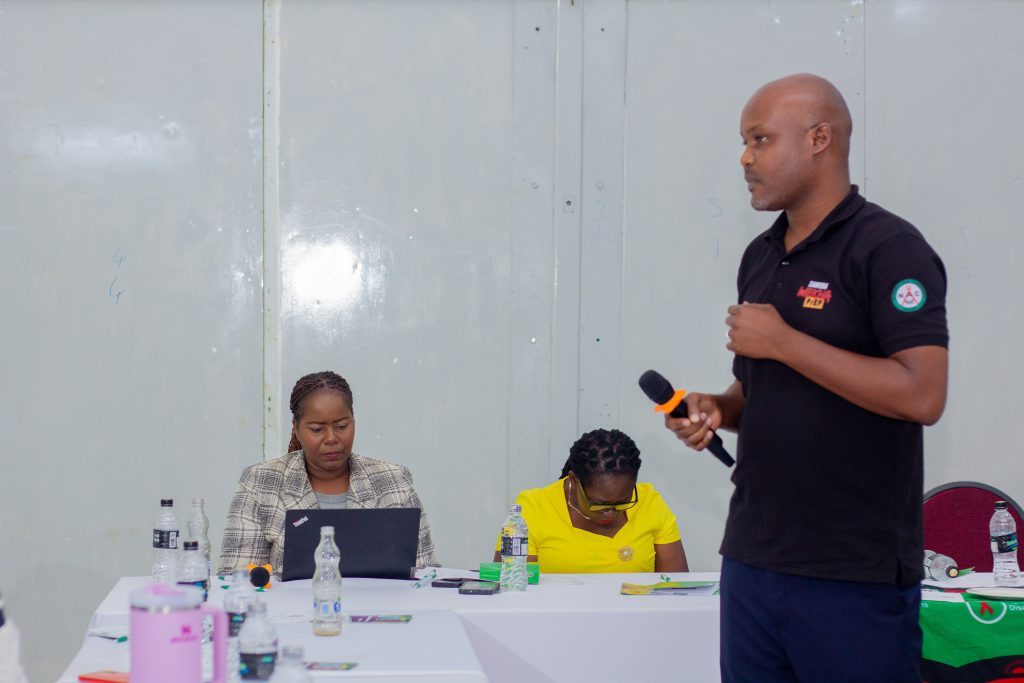
NAC’s HIV Prevention and Management Officer, Mr. Ellious Chasukwa, facilitated a presentation on the HIV and AIDS (Prevention and Management) Act, covering key provisions including confidentiality and the role of social media influencers in sharing HIV-related information. Mr. Chasukwa emphasized the responsible use of influence in HIV communication, focusing on Parts V and VII of Malawi’s HIV and AIDS Act and the duty to protect privacy, share accurate information, and avoid stigma, discrimination, or cause harm.
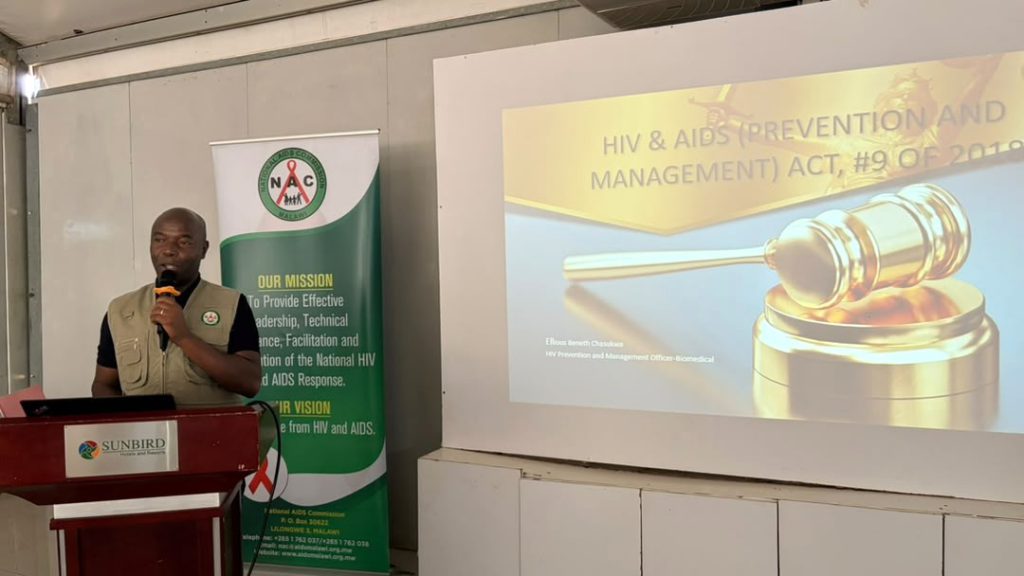
In the presentation, NAC’s HIV Prevention Officer further hinted that false information and HIV-related stigma continue to emerge on Malawian social media platforms. As such he cautioned the participants that their online platforms come with legal accountability and urged them to protect their brands by avoiding content that could attract legal penalties, while contributing to the creation of safe and supportive online communities.
In the presentation, NAC’s HIV Prevention Officer further hinted that false information and HIV-related stigma continue to emerge on Malawian social media platforms. As such he cautioned the participants that their online platforms come with legal accountability and urged them to protect their brands by avoiding content that could attract legal penalties, while contributing to the creation of safe and supportive online communities.
On the other hand, Lilongwe District Health Office (DHO) PrEP Trainer, Jessie Lobeni, engaged the social media influencers through a presentation on the HIV situation in Malawi.
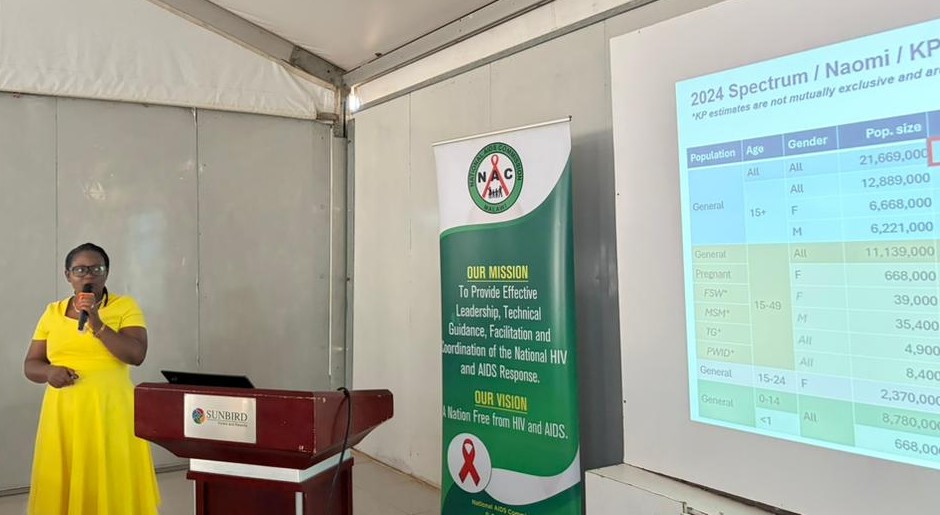
She shared HIV latest statistics and provided an overview of the country’s ongoing HIV prevention efforts, helping the influencers understand the current HIV landscape and the importance of strengthening prevention messaging. The PrEP trainer took time educating the influencers on the different types of PrEP available for HIV prevention. Malawi started providing PrEP as an HIV prevention option in 2021. Oral PrEP is taken daily to prevent from HIV infection, CAB-LA is admnistered every two month and it offers protection from HIV infection for two months, LEN is admnistered every 6 months and it offers protection from HIV for a period of 6 months.
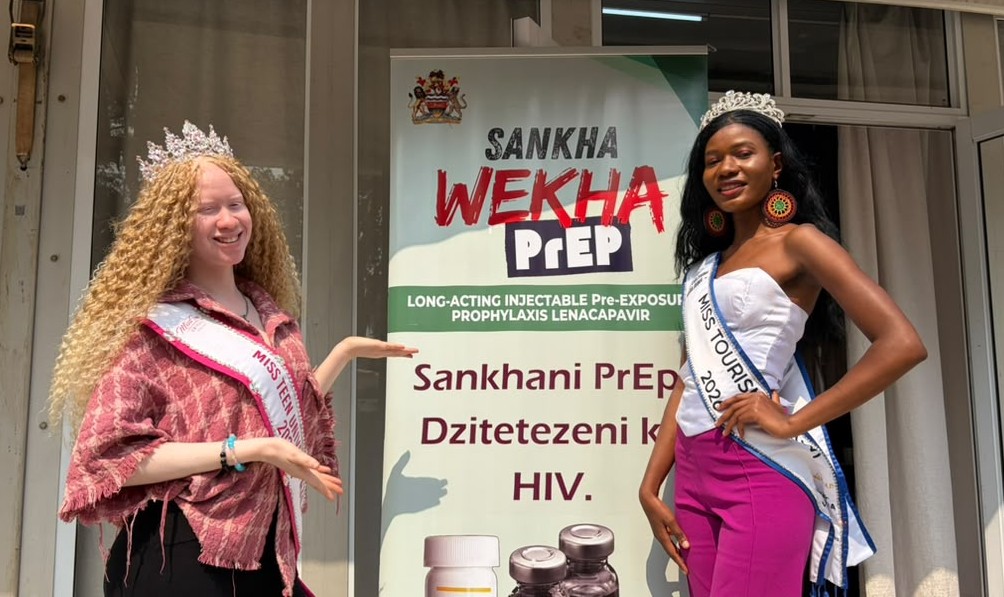
Among the 50 influencers who attended the orientation was Miss Tourism International Malawi, Maureen Zimba, who described a healthy community as a strong community. As a cultural ambassador, Zimba said she would use the knowledge gained from the session to share accurate HIV prevention information with her audiences and help challenge cultural norms that are harmful to communities.” A healthy community is a strong community so as a cultural ambassador, I will spread the information I have learned and help break norms that are harmful to our community,” she said. Also in attendance was Miss Teen Universe Leonorah Cooke.
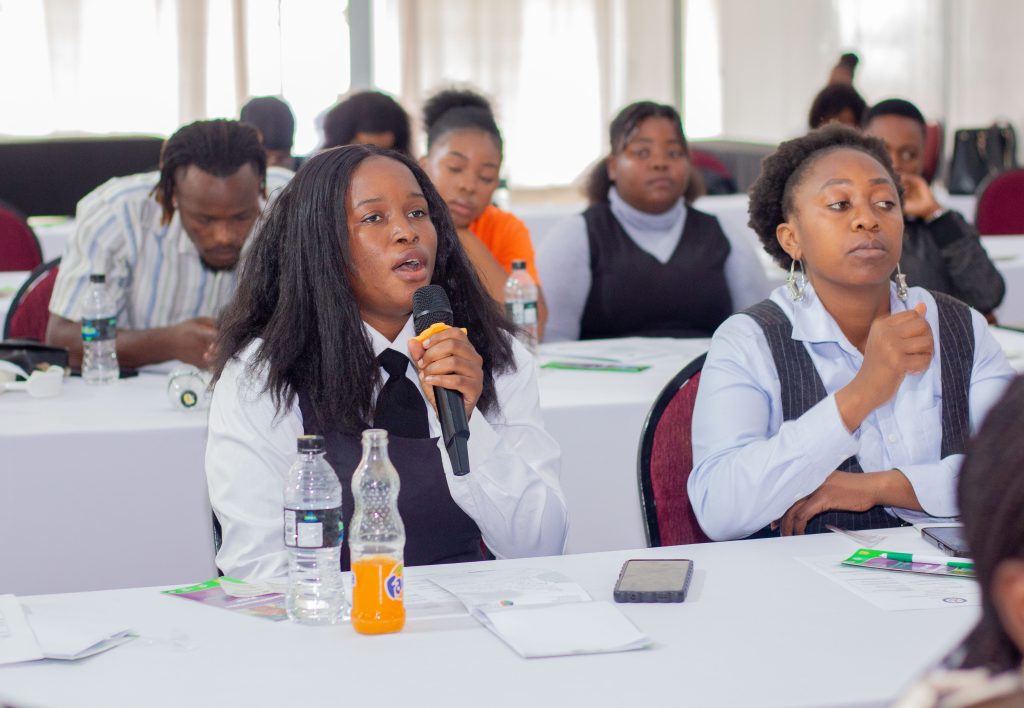
Also speaking at a separate interview, Wiseman Nyondo, commended NAC for organizing the orientation session, saying it has provided him with valuable knowledge that he would share with his followers. Nyondo pledged to ensure that the information shared on his platforms is correct and accurate, emphasizing the responsibility that comes with having a large online audience. The session was highly interactive, with influencers actively participating through questions, discussions and personal examples. Some shared experiences of HIV-related stigma they had witnessed on social media, while others provided feedback on the challenges they face when communicating health related information to their audiences.